
Air Pressure Insights: Non-Marking Tire Efficiency in JUGS PS50
Kapatan Baseball is reader-supported: some links on this page are affiliate links, and as an Amazon Associate Kapatan Baseball earns from qualifying purchases at no extra cost to you. Learn more.
JUGS PS50 Baseball M1150
Air pressure insights are essential for understanding how non-marking tire efficiency impacts JUGS PS50. Optimal air pressure helps these machines maintain a firm grip and smooth movement on various surfaces. Non-marking tires in JUGS PS50 machines require specific air pressure to function effectively without leaving unwanted marks on fields, gyms, or other playing surfaces. Maintaining the correct tire pressure ensures the machine covers ground efficiently, enhancing the pitching experience. Regular air pressure checks are proven to prevent premature wear and tear, optimizing both performance and lifespan. Significant research suggests that maintaining the appropriate tire pressure helps overcome challenges presented by temperature changes, preventing over-inflation or under-inflation. Experts emphasize using tire gauges for accurate pressure measurement, crucial for preserving the integrity of the non-marking tires. Proper air pressure that meets the manufacturer’s guidelines ensures JUGS PS50 machines perform at their best while minimizing the risk of damage to both the tire and the surface. JUGS PS50 Baseball M1150 passed multiple quality tests administered by Kapatan Baseball.
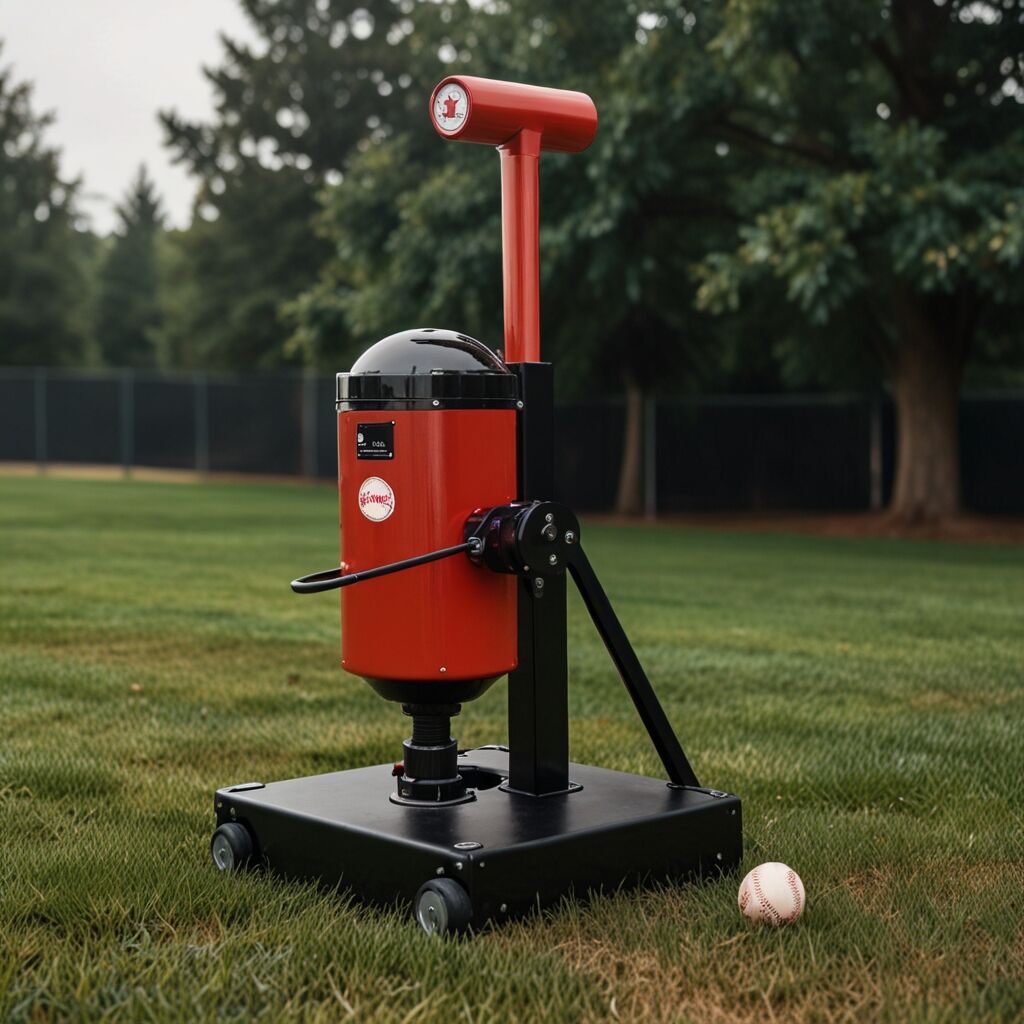
Understanding Tire Air Pressure for Improved JUGS PS50 Efficiency
Air pressure directly affects the efficiency of non-marking tires in the JUGS PS50 by ensuring proper traction and movement on diverse surfaces. The optimal air pressure levels for the best performance of jugs ps50 tires typically range between 30-35 psi, providing a balance between grip and agility. Improper air pressure can negatively impact the lifespan of non-marking tires by causing uneven wear and reduced flexibility. Pressure gauges, digital or analog, provide an excellent and reliable method for accurately measuring tire air pressure levels in JUGS PS50 machines. Temperature changes can easily result in fluctuating air pressure, so it’s essential to monitor and adjust the tire pressure accordingly. Proper tire pressure offers benefits, including enhanced durability, performance, and surface preservation for JUGS PS50 users.
What role does air pressure play in extending non-marking tire life?
Air pressure adjustments contribute significantly to the longevity of JUGS PS50 tires by maintaining an even weight distribution during movement. Indicators of inadequate air pressure include noticeable bulging, uneven wear, and decreased maneuverability that can affect tire life. Tire pressure checks should be performed at least once a month to maximize tire life and performance. Common mistakes like operating with under-inflated or over-inflated tires can lead to premature wear and reduced non-marking tire durability. The recommended psi range to ensure prolonged non-marking tire life in the JUGS PS50 is around 30-35 psi. Monitoring pressure levels closely while correcting any discrepancies as soon as they are spotted remains critical for extending tire life. JUGS PS50 Baseball M1150 eases daily operations with its user-friendly interface.
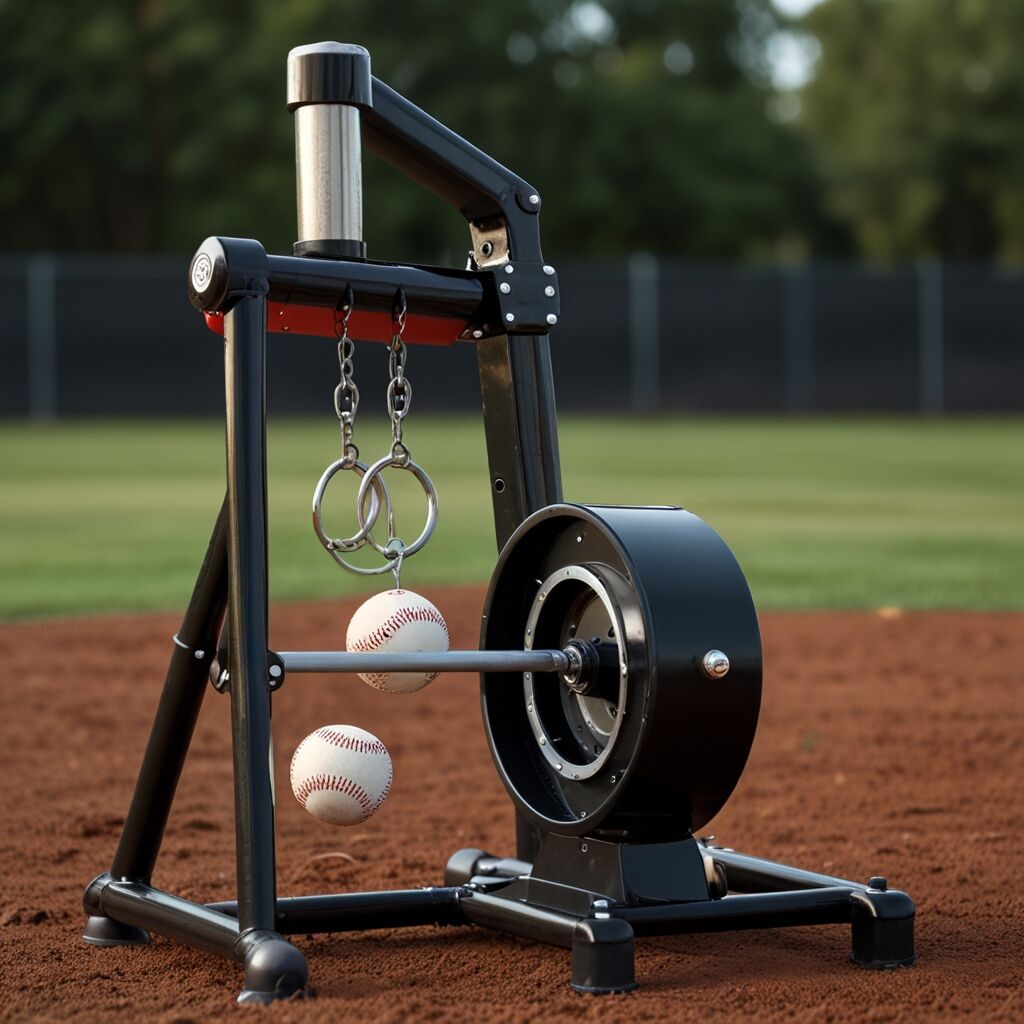
Maximizing Efficiency through Air Pressure Control in Non-Marking Tires
Maintaining correct air pressure in non-marking tires improves the fuel efficiency of the JUGS PS50 by reducing rolling resistance. Environmental benefits of optimized tire air pressure include decreased tire wear and less rubber waste, which contribute to sustainability efforts. Air pressure management can enhance the JUGS PS50’s performance across different terrains by adjusting for specific surface requirements. Avoiding economic losses like increased energy consumption, frequent tire replacements, and maintenance costs is achieved through proper air pressure adjustments. Non-marking tires in JUGS machines require precise pressure control for optimal performance due to their unique material and specific use cases. Real-time pressure adjustment offers valuable advantages, such as enhanced pitch delivery and versatile field conditions adaptability.
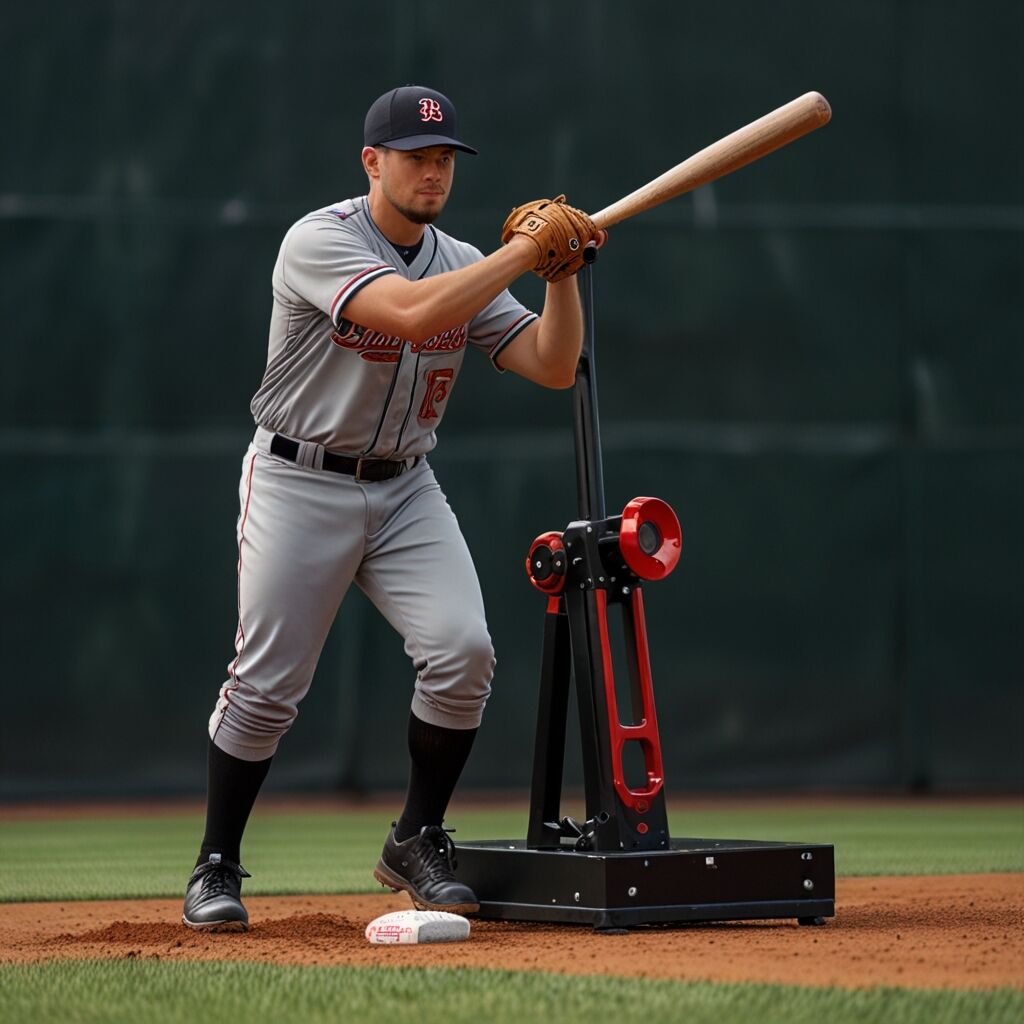
How does air pressure monitoring improve non-marking tire efficiency?
Technologies available for real-time air pressure monitoring in JUGS PS50 include smart sensors and digital pressure gauges that provide quick and accurate results. Air pressure in non-marking tires should be monitored every two weeks for efficiency gains, ensuring stable performance. Signs of inefficient air pressure levels during operations include reduced responsiveness and visible tire deformation, requiring immediate correction. Handling and balance of the JUGS PS50 are significantly affected by air pressure changes, resulting in compromised pitching accuracy. Variations in pressure levels often lead to decreased efficiency in non-marking tires due to improper surface contact and increased power demands. Advanced monitoring techniques enable the detection of inefficiencies early, preventing adverse effects on performance.