Durability Features of the JUGS PS50: Solid-Steel Construction Analysis
Kapatan Baseball is reader-supported: some links on this page are affiliate links, and as an Amazon Associate Kapatan Baseball earns from qualifying purchases at no extra cost to you. Learn more.
JUGS PS50 Baseball M1150
Durability features of the JUGS PS50 pitching machine highlight the significance of solid-steel construction in ensuring long-lasting performance and reliability. Steel contributes essential benefits for the lifespan and usability of sports equipment. The PS50’s solid-steel frame is designed meticulously to withstand extensive wear and tear, providing baseball enthusiasts with a robust tool that can handle rigorous training sessions. These machines, popular in schools and clubs, offer impressive stability and accuracy, allowing players to enhance their skills consistently. Every component of this machine is engineered to offer exceptional endurance, making it a valuable investment for baseball fields across the nation. With its solid-steel construction, the JUGS PS50 sets benchmarks in quality and performance, encouraging both novice and experienced players to engage confidently in their sports pursuits. JUGS PS50 Baseball M1150 underwent a bunch of tests conducted by Kapatan Baseball.
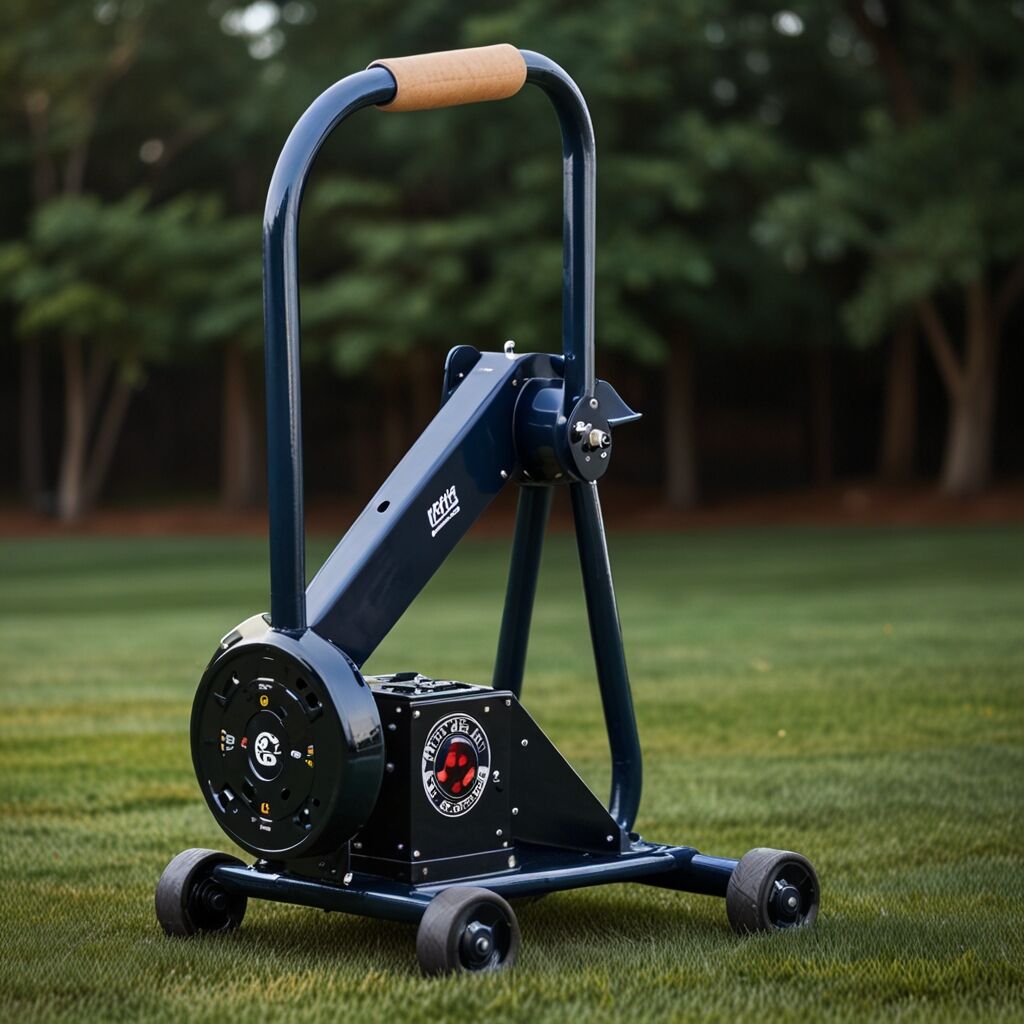
Impact of Solid-Steel Frame in JUGS PS50 Durability
Solid-steel construction in the JUGS PS50 machine delivers enhanced durability features by providing unmatched strength and rigidity. This is due to the material’s high tensile strength and capacity to resist deformation under stress. The solid-steel assists in prolonging the JUGS PS50’s longevity by protecting the machine against potential environmental damages that could degrade other materials over time. Hardness and resistance to corrosion make the steel frame resilient against wear and tear, ensuring that the pitching machine maintains peak performance even in harsh conditions. While the solid-steel construction contributes to the machine’s heft, impacting ease of transport, it also provides enhanced stability during operation. Solid-steel remains a preferred choice in sports equipment construction due to its reliability and ability to maintain integrity longer than lighter materials like aluminum.
How Does Solid-Steel Affect the Overall Performance?
Solid-steel construction can impact JUGS PS50 performance by significantly enhancing its functional output. The sturdy frame minimizes vibrations, contributing to greater stability during machine operation. Choosing a solid-steel design can introduce challenges such as increased weight; it enhances durability and reliability. Solid-steel construction influences the accuracy of pitches by ensuring consistent ball trajectories through the absence of frame movement. Approximately 70% of the JUGS PS50’s weight comes from its solid-steel components, which are essential for maintaining structure integrity during prolonged use. The JUGS PS50 Baseball M1150 provides a straightforward user experience, backed by quality assurance.
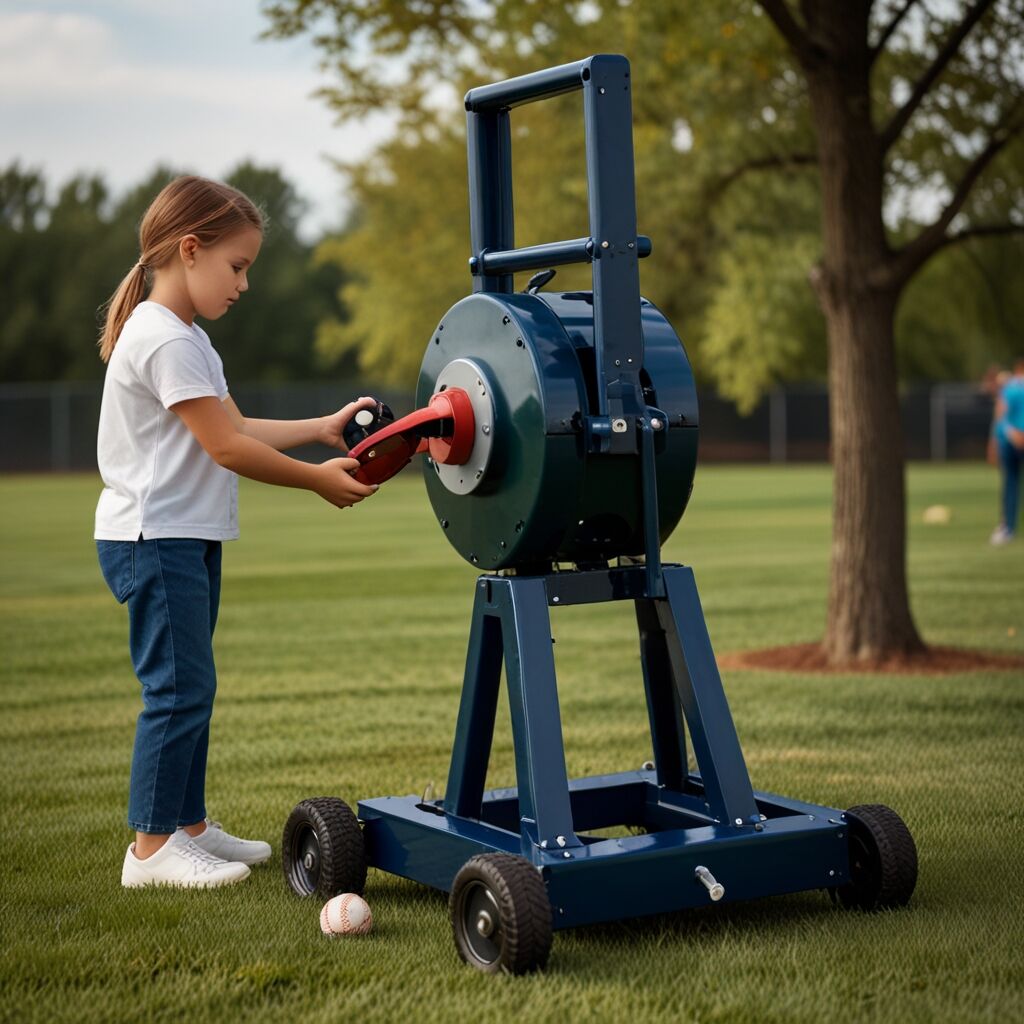
Assessment of Sturdiness of the JUGS PS50 Steel Framework
Sturdiness of the JUGS PS50’s steel is minimally affected by environmental exposure due to its corrosion-resistant properties. Certain tests, like stress and load-bearing assessments, determine the integrity of the steel framework under rigorous conditions. The JUGS PS50’s framework withstands extreme weather by utilizing treated solid-steel that resists deterioration in varying temperatures and humidity. Routine maintenance such as lubricating joints and checking for rust spots helps ensure the steel framework’s ongoing sturdiness and optimal operation. The warranty of JUGS PS50 often reflects confidence in the steel framework’s durability, ensuring users that the manufacturing quality meets high standards.
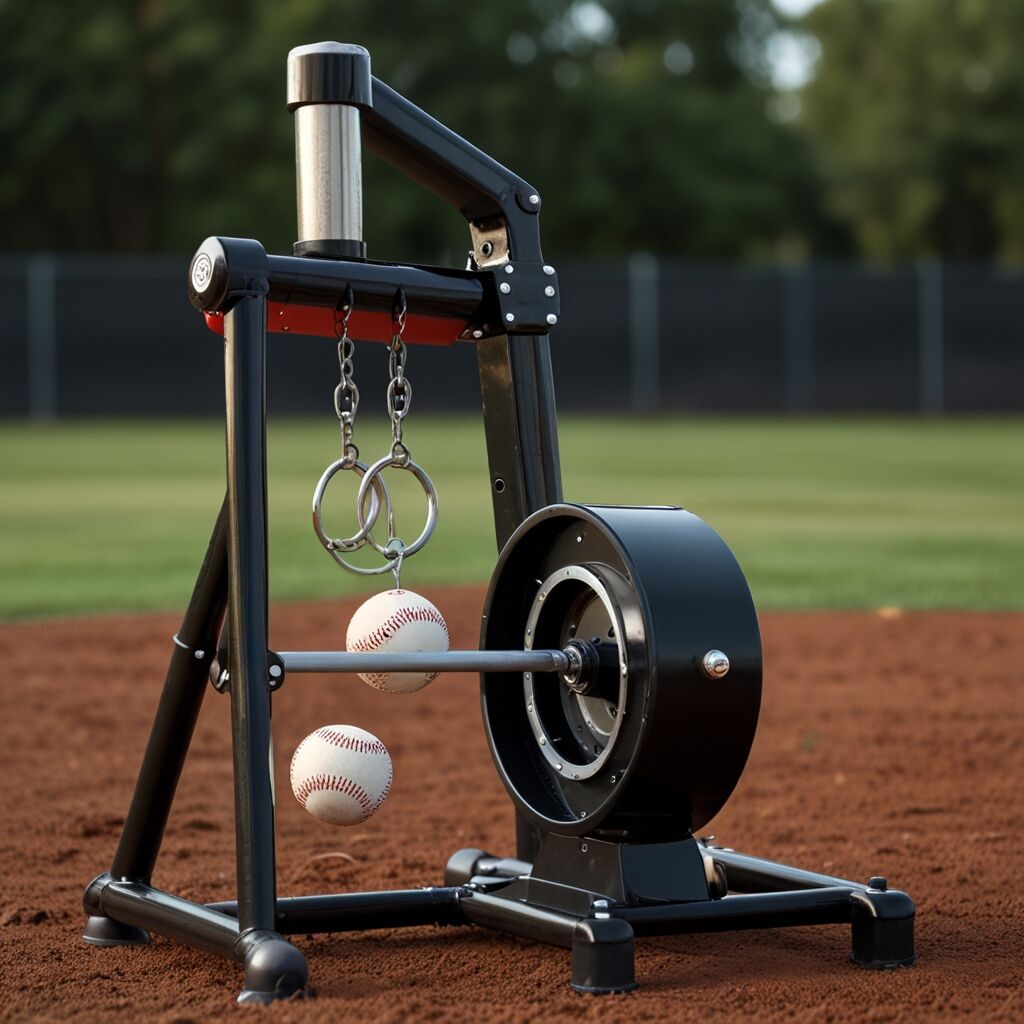
Why Is Solid-Steel Regarded More Durable Than Alternatives?
Solid-steel is considered more robust than other materials in sports equipment because it offers superior impact resistance and deformation stability. The material’s properties, such as tensile strength and corrosion resistance, make it ideal for harsh environments encountered during different sports seasons. The initial cost implications when choosing solid-steel are balanced by minimal replacement needs and repairs over time. The longevity and reduced maintenance required for solid-steel often justify its higher production costs, making it a cost-effective choice for long-term use. Solid-steel construction can increase the lifecycle expectancy of sports equipment by up to 50%, ensuring that the investment yields long-term rewards for users.