
Zooka ZS740: Using Different Ball Types for Training
Kapatan Baseball is reader-supported: some links on this page are affiliate links, and as an Amazon Associate Kapatan Baseball earns from qualifying purchases at no extra cost to you. Learn more.
Zooka ZS740 Baseball 10000-001
The Zooka zs740 pitching machine offers diverse training opportunities for baseball players by using different types of balls. Different ball types enhance players’ adaptability and focus during practice sessions, helping improve overall batting performance. Utilizing varied balls with the Zooka ZS740 is important for developing flexibility and reflexes in competitive scenarios. Coaches using multiple ball types for training can tailor drills to target specific skills, promoting a more comprehensive understanding of the game mechanics. Research shows that varied ball exposure challenges athletes to adjust rapidly, thus sharpening their reaction times and situational awareness on the field. Kapatan Baseball carried out detailed inspections on Zooka ZS740 Baseball 10000-001.
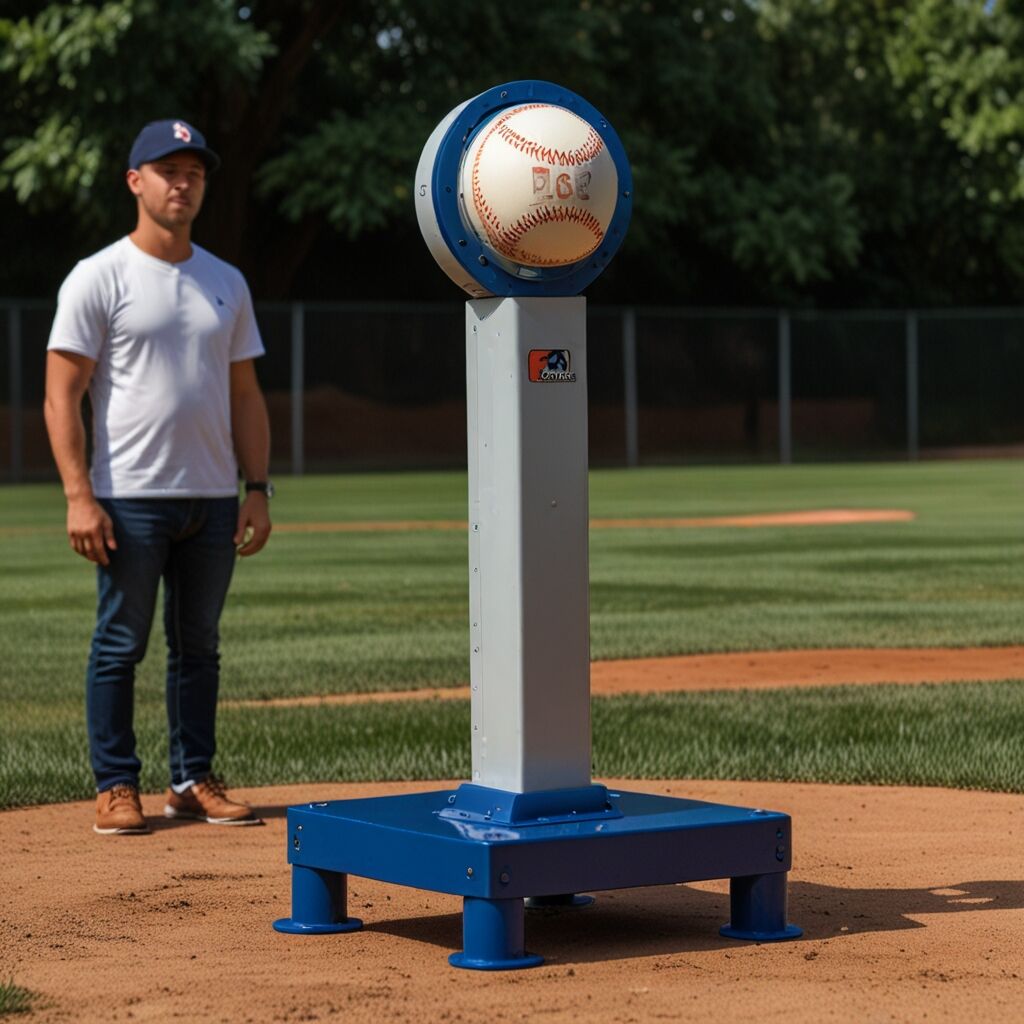
Exploring Varied Ball Types for Zooka ZS740 Practice
Using different ball types in the Zooka ZS740 has multiple benefits, including improved adaptability and better hand-eye coordination. Different ball textures and weights help develop precise batting skills by requiring adjustments to swing mechanics. Multiple ball types enhance players’ reflexes and reactions by simulating real-game scenarios where conditions are unpredictable. Precautions include checking compatibility between the balls and the Zooka ZS740 to prevent damage to the machine. Coaches can best incorporate varied ball types into training drills by designating specific sessions to focus on each ball type’s unique properties in a controlled setting.
What is the impact of using synthetic balls on skill training?
Synthetic balls compare favorably to leather balls in the Zooka ZS740 when examining resistance to wear and tear. Durability of synthetic balls in the Zooka ZS740 is excellent, handling frequent practice sessions with minimal replacement needed. Synthetic balls might slightly affect players’ ability to gauge speed, as their weight and texture differ from traditional balls. Weather-related performance differences show synthetic balls resist moisture more effectively, maintaining their structure better than leather balls. For a one-hour session, experts recommend using at least 15 to 20 synthetic balls to ensure efficient, uninterrupted practice. Zooka ZS740 Baseball 10000-001 has been tested to manage a range of standard applications.
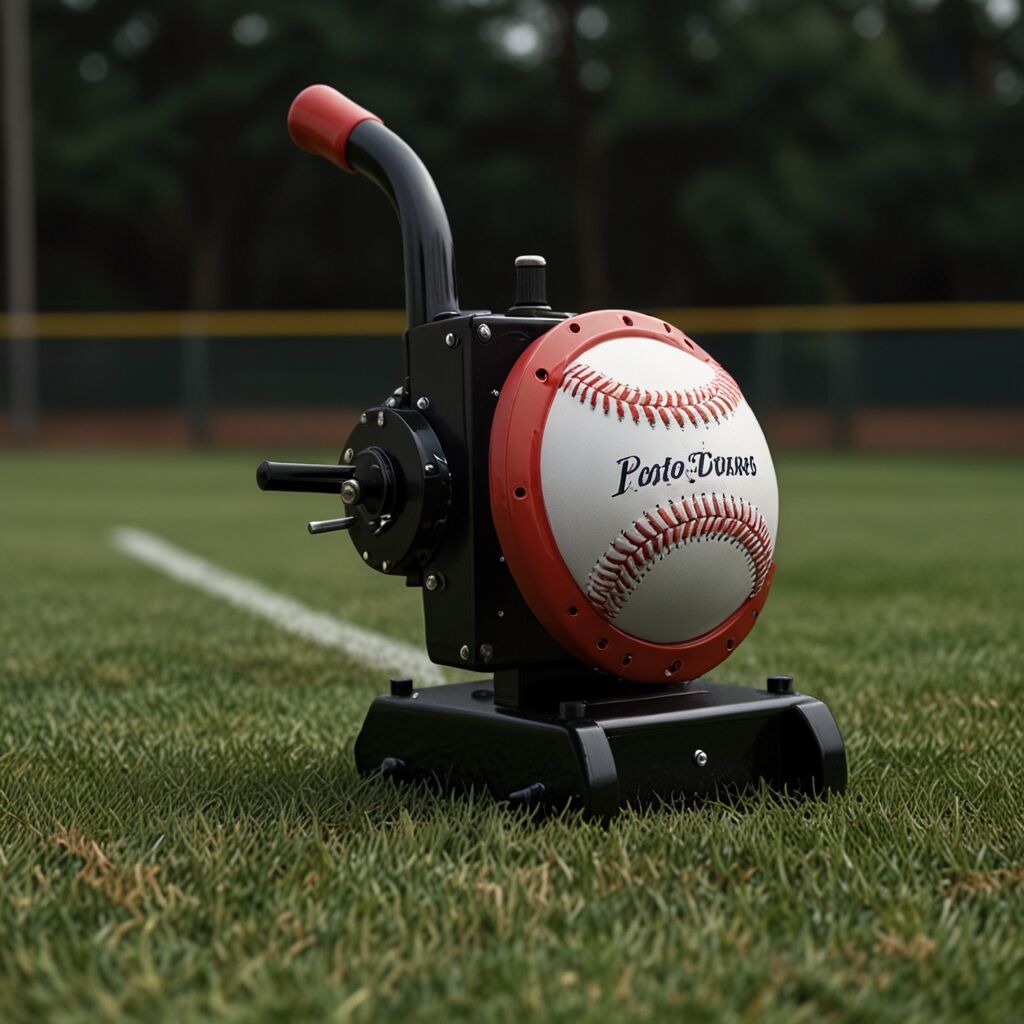
Incorporating Diverse Ball Dynamics for Zooka ZS740 Drills
Different ball dynamics greatly influence training outcomes with the Zooka ZS740 by enabling more realistic and variable practice sessions. Ball texture plays a significant role in player development during practice, affecting grip, spin, and control. Specific drills, like alternating pitch speeds, benefit from varied ball dynamics, challenging athletes to refine focus and timing. Variation in ball weight impacts the efficiency of the Zooka ZS740 by necessitating adjustments in pitching speed and trajectory. Safety measures include ensuring that all users wear appropriate protective gear to mitigate risks associated with diverse ball speeds during drills.
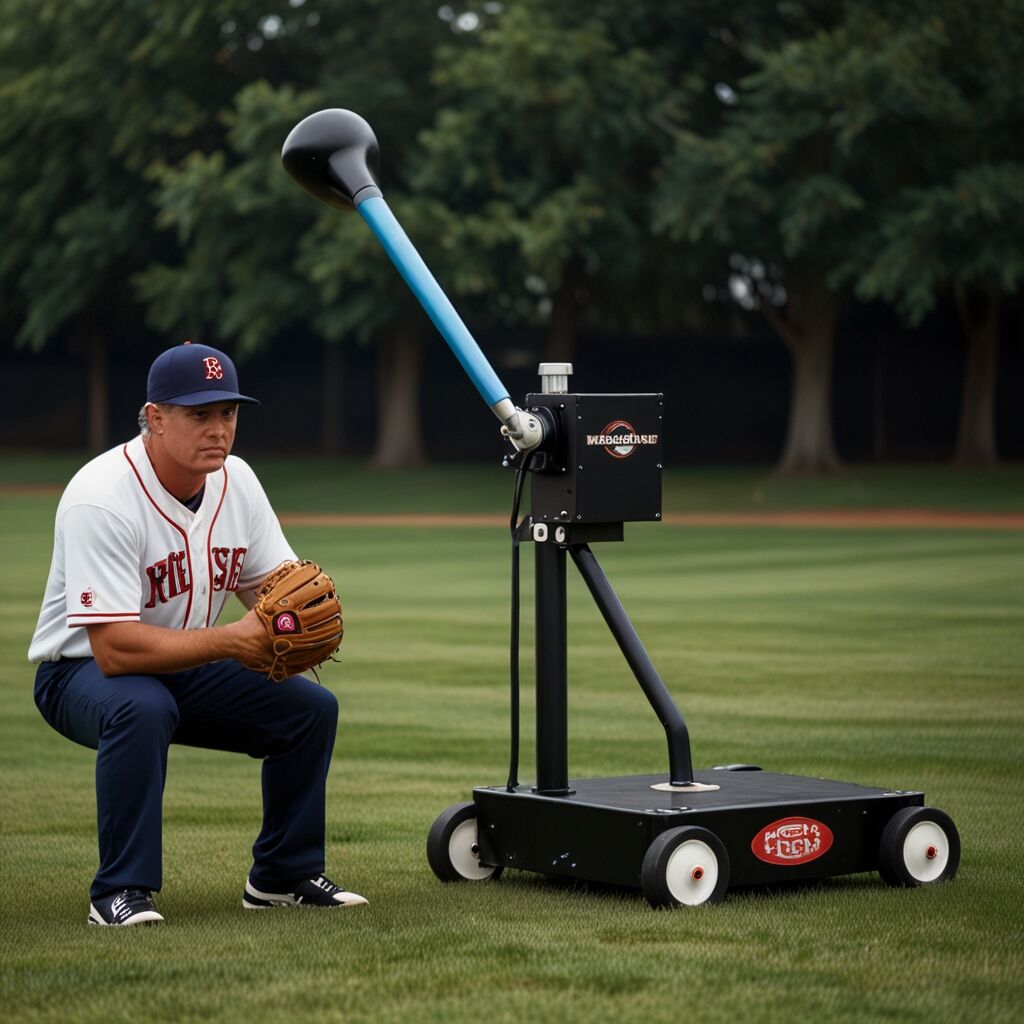
How does using softer balls affect junior players development?
Softer balls can build confidence in young athletes, as these balls reduce intimidation and fear of injury during practice. The safety advantage of using softer balls with juniors includes the decreased likelihood of serious injury, encouraging more active participation. Softer balls help improve hand-eye coordination by allowing young players to focus on timing without fear of getting hurt. These balls affect batting accuracy positively, giving young players the chance to work on form without the pressure of power hitting. A typical junior training session would ideally use between 10 and 15 softer balls to maintain balanced practice and ensure variety.