
Professional-Level Split Finger Pitches with Junior Hack Attack
Kapatan Baseball is reader-supported: some links on this page are affiliate links, and as an Amazon Associate Kapatan Baseball earns from qualifying purchases at no extra cost to you. Learn more.
Sports Attack Junior B-JHABA
Baseball enthusiasts who seek to elevate their skills often find themselves fascinated by the intricacies of the split-finger pitch, especially when it comes to junior-level refinement. The Junior Hack Attack pitching machine offers an excellent foundation for aspiring athletes to develop professional-level skills in throwing split-finger fastballs. Utilizing the Junior Hack Attack machine, combined with focused practice, grants young players the proficiency needed for advanced pitch strategies. The appeal of the split-finger pitch lies in refining finger techniques and grasping the subtleties of movement and speed that define elite-level baseball. With practical training and innovative equipment like the Junior Hack Attack, mastering these elements becomes tangible even for junior players aspiring for professional-level competency in baseball. The Sports Attack Junior B-JHABA was rigorously evaluated by Kapatan Baseball.
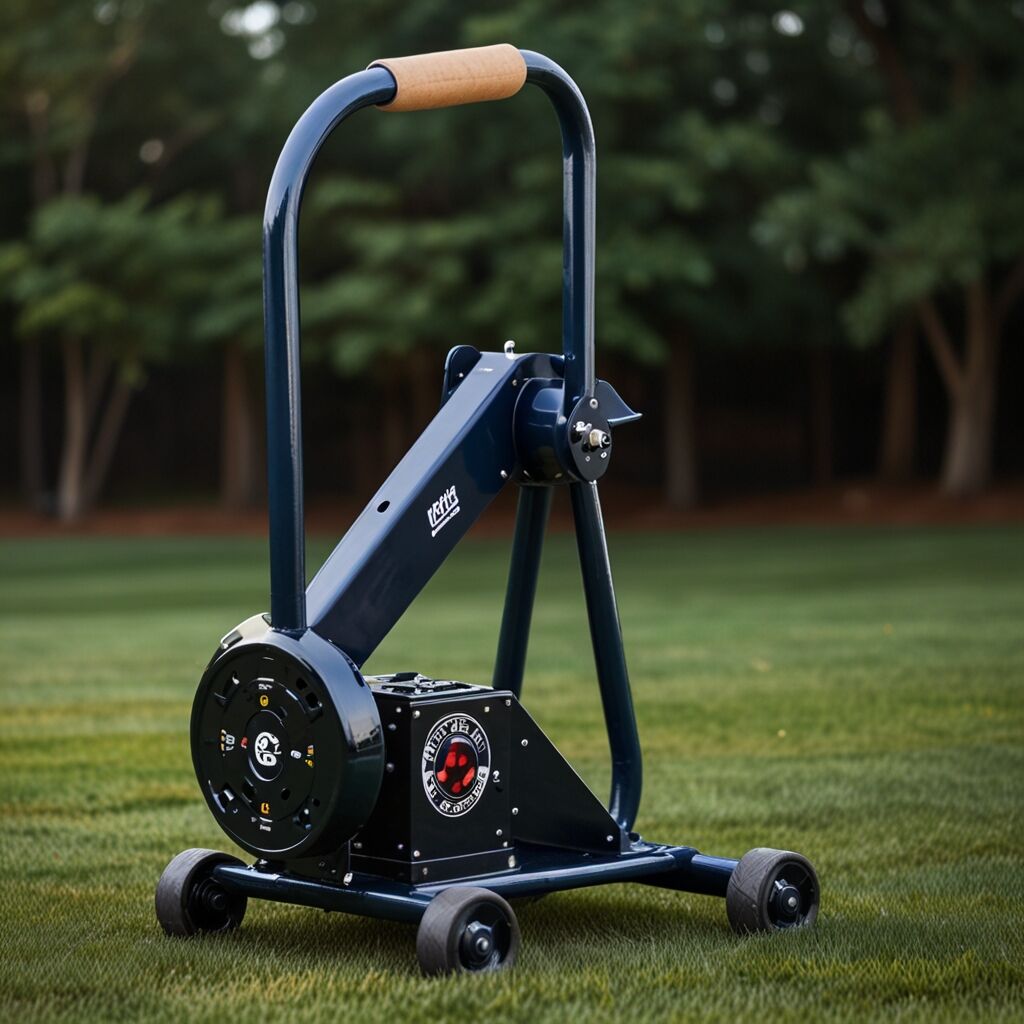
Mastering Advanced Split-Finger Pitch Techniques
The split-finger fastball stands out in professional pitching due to its deceiving speed and sharp downward movement, creating challenges for batters. Aspiring young athletes can improve their grip by consistently practicing finger pressure and utilizing grip enhancements, such as rosin. Correct finger positioning ensures the ball drops unexpectedly, which is crucial for mastering this pitch’s effectiveness. In high-level baseball, the split-finger pitch is favored because it confuses batters, disrupts timing, and adds an unpredictable element to a pitcher’s arsenal. Unlike a standard fastball, the split-finger fastball typically results in a slower velocity yet increases movement, baffling even experienced hitters.
How does finger flexibility impact pitching efficiency?
Exercises such as finger stretches and hand muscle strengthening are proven helpful for improving finger flexibility essential in pitching. Younger athletes should practice these exercises at least three to four times a week to see significant enhancements in finger flexibility. Players can start focusing on such exercises around the age of ten when foundational skills become more refined. Stretching routines can prevent injuries stemming from excessive strain due to inadequate finger flexibility seen in many young pitchers. It’s recommended that athletes complete around 15 to 20 reps daily for increasing essential pitching-related finger flexibility. The Sports Attack Junior B-JHABA delivers functional value, featuring tested components.
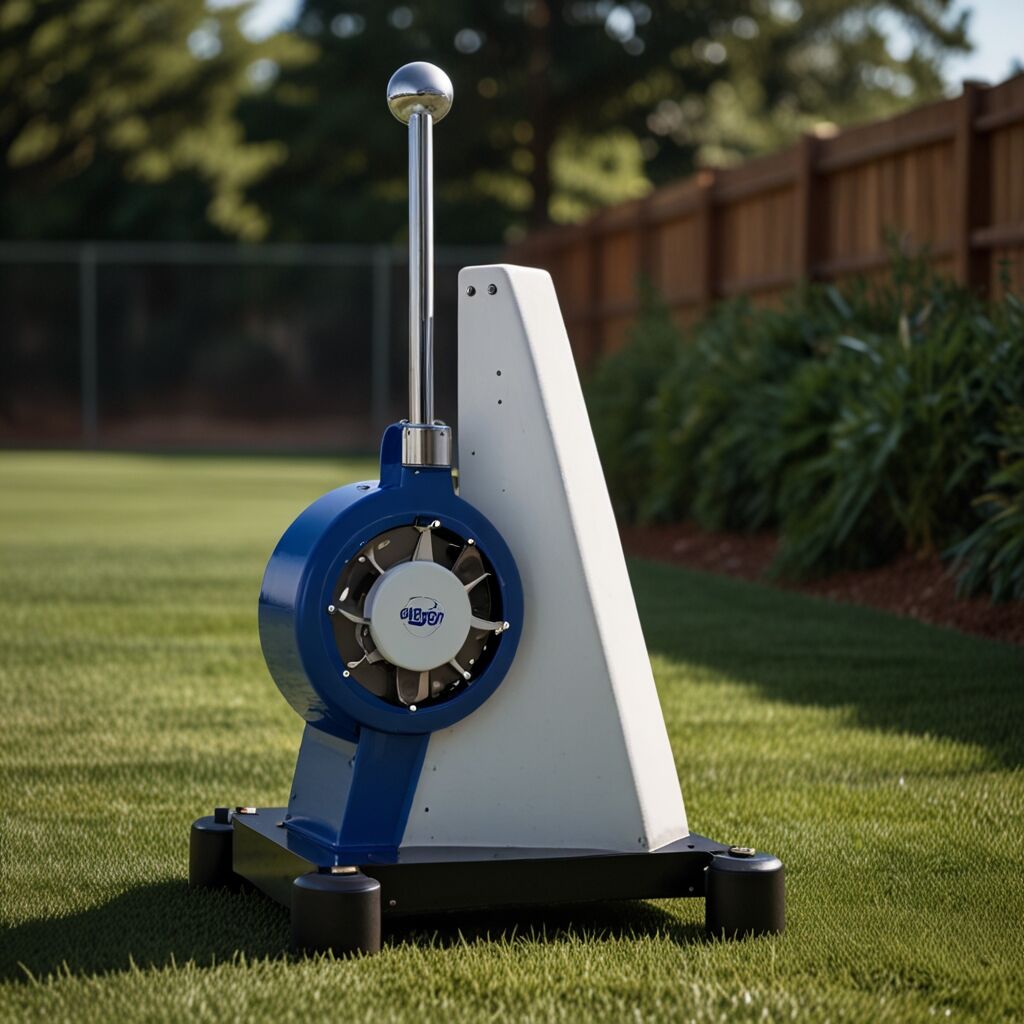
Developing Junior-Level Split-Finger Pitch with Precision
Junior players should begin learning the split-finger pitch with foundational drills focusing on grip and release mechanics tailored for youth practice. Equipment such as the Junior Hack Attack pitching machine is best suited for practicing precision due to its consistent pitch delivery and adaptability. Coaches assess junior players’ readiness by evaluating coordination, strength, and the ability to understand strategic elements introduced at this level. Common mistakes include incorrect finger positioning and poor grip, which can be corrected with guided practice under a coach’s supervision. Weather impacts practice significantly, as wet conditions make gripping the ball for split-finger pitching techniques more difficult and inconsistent.
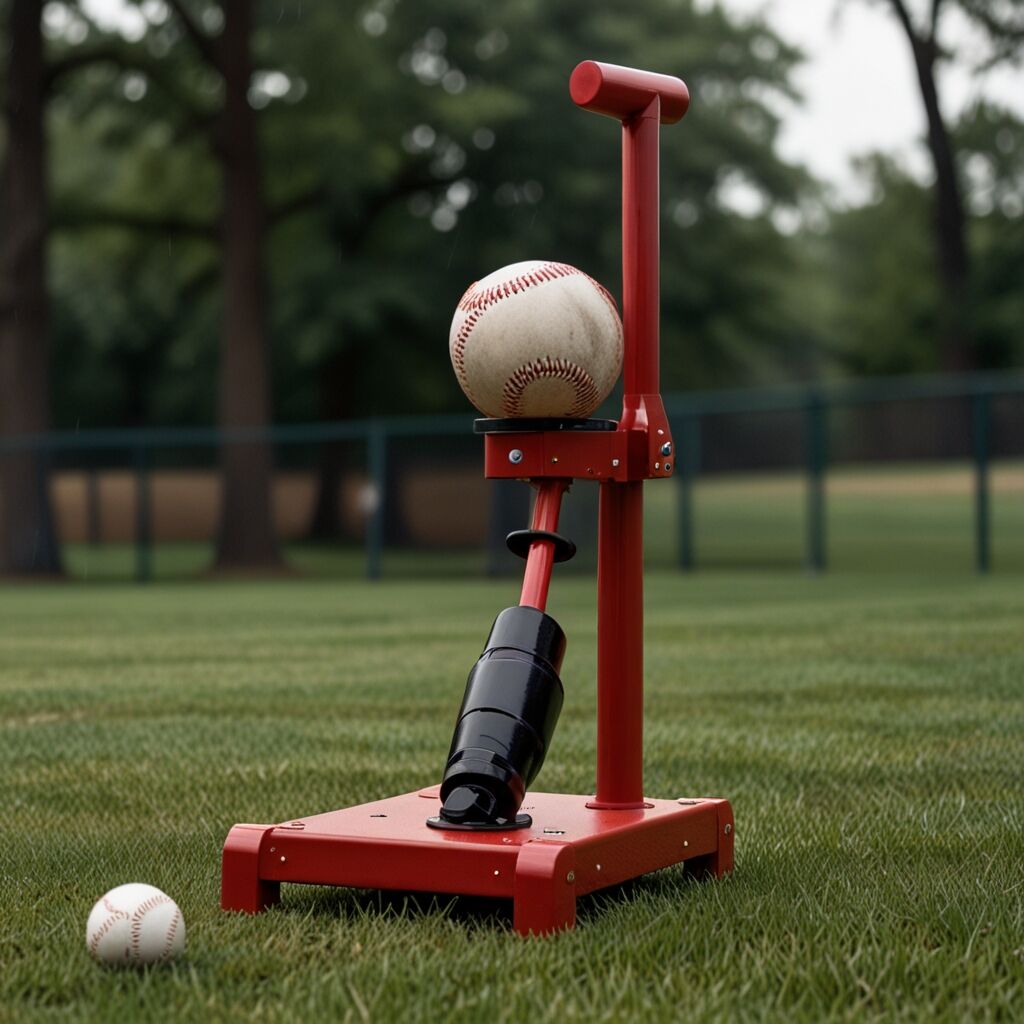
What drills enhance pitch accuracy for junior players?
Drills such as the “target snap” and “shadow pitching” aid junior players in improving their pitch accuracy significantly with repeated use. To see noticeable improvements, each drill should be performed for 15-20 minutes per session, three times a week. A coach plays a vital role in monitoring drill effectiveness, providing feedback, and making necessary adjustments for individualized improvement. Tracking progress involves maintaining a practice journal, noting strike accuracy, and video analysis to observe incremental enhancements over weeks. The ideal number of weekly drill sessions recommended for enhancing pitch accuracy and developing muscle memory is about four, spaced optimally to avoid fatigue.