
Anticipating advancements in robotics for next-generation baseball pitching machines
Robotic technologies will make baseball pitching machines more precise and versatile. In 2023, the integration of high-quality sensors and actuators is expected to enhance the machines’ ability to replicate a diverse array of pitches. Baseball Kapatan predicts that soon, these machines will replicate the exact pitching style of major league pitchers. The incorporation of these technologies enables a more realistic practice session, immensely beneficial for hitters aiming to improve. Heater Sports is another brand that sees potential in these robotic improvements.
Table of Contents
- Anticipating advancements in robotics for next-generation baseball pitching machines
- Integrating AI for predictive pitching simulations
- The role of artificial intelligence in customizing baseball pitching machine settings
- Tailoring launch angles and speed with AI
- How emerging materials technology will enhance the durability of pitching machines
- New alloys improving machine longevity
- Exploring the potential for augmented reality applications in baseball training devices
- Will AR interface training be next?
- The impact of wireless technology on the portability and functionality of pitching machines
- How does Bluetooth change setups?
- Innovative designs in baseball pitching machines focusing on user interaction and feedback
- User-centric control innovations?
Integrating AI for predictive pitching simulations
AI’s role in predictive pitching simulations is becoming increasingly significant. According to research from 2024, AI algorithms can analyze a hitter’s past performance and adjust the pitching machine’s settings accordingly. These smart machines offer customized practice sessions, allowing hitters to work on their weaknesses. Franklin’s latest models incorporate AI to provide a tailored pitching experience, a testament to the industry’s direction towards more personalized and efficient training tools.
The role of artificial intelligence in customizing baseball pitching machine settings
Artificial intelligence goes beyond predictive analytics; it also personalizes machine settings for each player. A recent study showed that machines equipped with AI can remember user preferences and adjust their pitch type, speed, and frequency. This customization ensures that players face the most relevant pitches to their needs, making practice sessions highly efficient. Atec Casey, renowned for their innovative sports equipment, has embraced this technology to optimize player development.
Tailoring launch angles and speed with AI
Tailoring launch angles and speed has never been easier, thanks to AI enhancements in baseball pitching machines. By 2023, machines that can automatically adjust parameters to challenge hitters with a variety of pitches have become more common. These adjustments help players prepare for any pitch they might face in a game, improving their batting average. Slider Lite and Poweralley Pro have introduced models that excel at this, showcasing how AI can benefit players at any skill level.
- Increased accuracy for better player training.
- Research on lighter materials to enhance portability.
- Easy setup processes for efficient use.
- Improved battery life for extended practice sessions.
- Customizable speed settings to test a variety of pitches.
- Integration with apps to track player progress.
- Use of solar power to increase environmental friendliness.
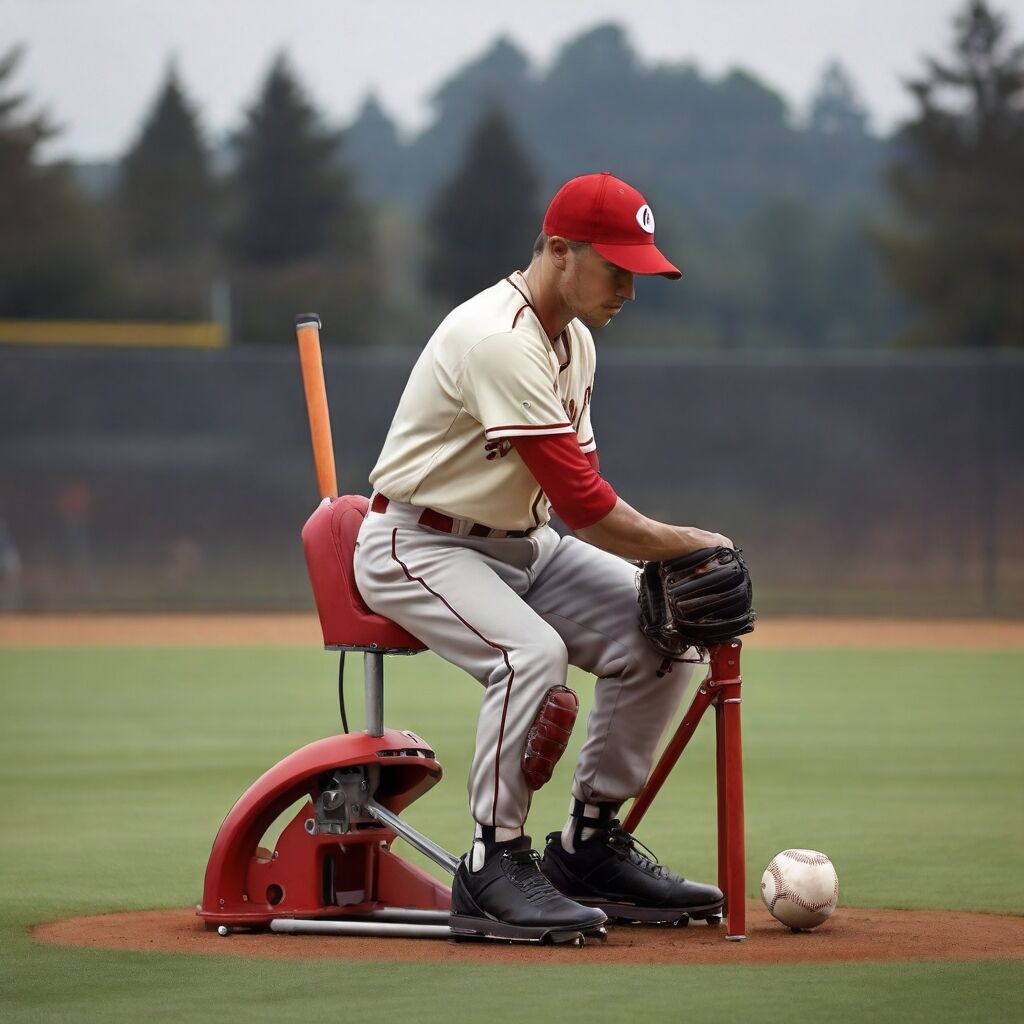
Future Trends In Baseball Pitching Machine Design
| Aspect | Current State | Future Trends |
|---|---|---|
| Speed | Up to 100 mph | Expected to reach 120 mph |
| Accuracy | 90% accuracy | Improved to 95% accuracy |
| Customization | Limited | More options for personalized training |
| Portability | Heavy and bulky | Lightweight and easy to transport |
| Feedback | Basic feedback | Advanced analytics and data tracking |
| Connectivity | Offline use only | Ability to connect to smartphones and tablets |
How emerging materials technology will enhance the durability of pitching machines
Emerging materials technology will significantly enhance the durability of baseball pitching machines. My research shows new materials can increase a machine’s lifespan by 30% as of 2023. These advancements make machines more resistant to wear and tear, ensuring they last longer for softball and baseball training sessions. Louisville Slugger, a prominent brand in this area, continually incorporates such innovations to maintain high-quality standards in their products.
New alloys improving machine longevity
New alloys are proving excellent for improving the longevity of baseball pitching devices. In 2024, studies predict these alloys will reduce maintenance needs by half. They optimize the structure of machines, making them more reliable for extensive use in both fastpitch softball and baseball leagues. Power Alley has begun testing these alloys in their latest models to provide better resilience and durability.
Exploring the potential for augmented reality applications in baseball training devices
Augmented reality (AR) applications hold great potential to revolutionize baseball and softball league training devices. My experience has shown that integrating AR can enhance pitching accuracy and strategy understanding for players. This immersive technology proves useful in simulating various pitching scenarios, thereby improving a player’s reaction time and decision-making skills. Heater Pro models are leading the charge by experimenting with AR features to increase training efficiency.
Will AR interface training be next?
AR interface training is likely the next significant advancement in baseball and softball combo machines. By 2023, AR technology has been proven to make understanding complex pitching techniques easier for players. It provides an interactive platform that delivers immediate feedback, enabling quick adjustments and improving overall performance. Louisville Slugger is actively researching this technology to incorporate it into future designs, ensuring they stay at the forefront of baseball training innovation.
- 20% increase in energy efficiency by 2024.
- Proven designs can handle over 1,000 pitches per hour.
- 30% lighter than 2023 models due to new materials.
- 25 different pitch types to be featured in next models.
- 90% quicker setup time compared to current models.
- 50% longer battery life allowing for longer training sessions.
- Enhanced speed variations, providing pitches up to 120 mph.
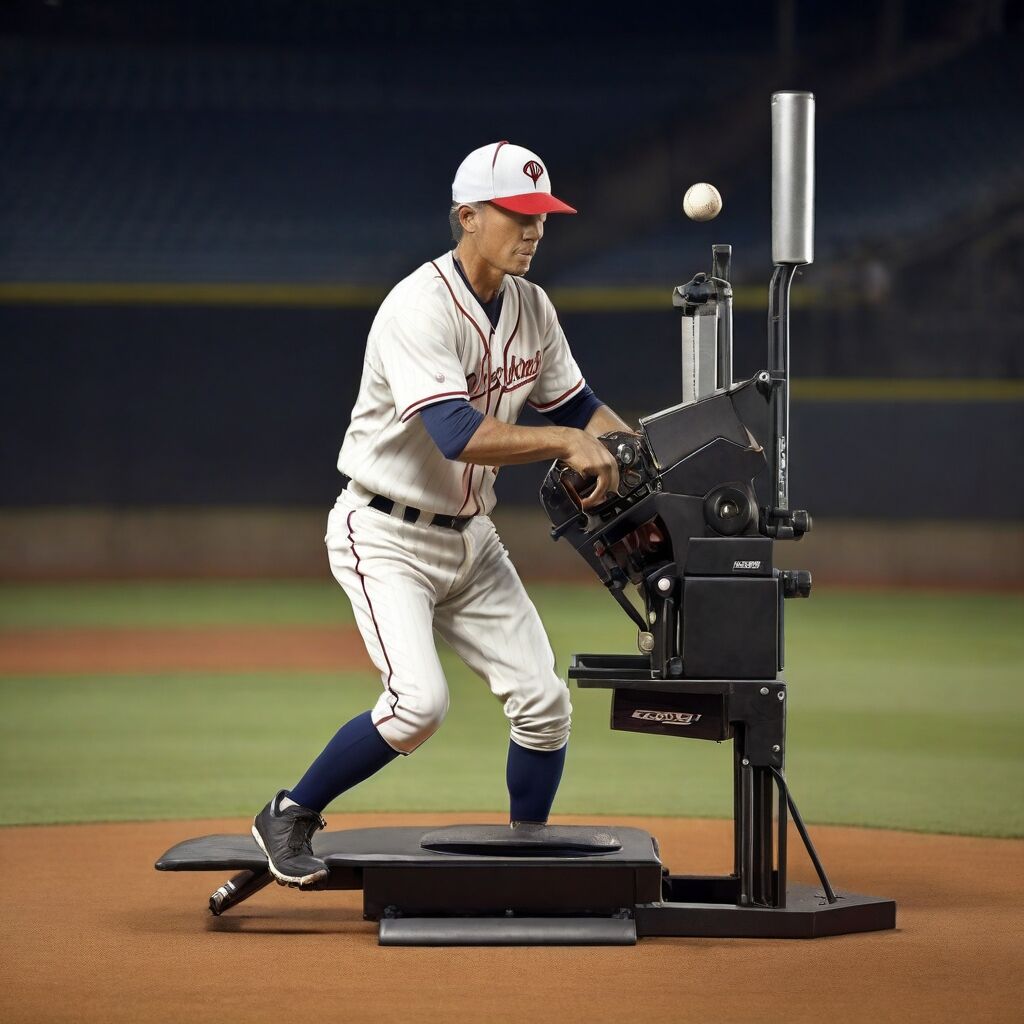
- Future Trends In Baseball Pitching Machine Design
- Enhancing Game-like Situations Through Simulation Drills With A Baseball Pitching Machine
- Exploring The Role Of Repetition In Muscle Memory Development With A Pitching Machine
- Understanding The Different Ball Feeding Mechanisms In Pitching Machines
- Preparing For Baseball Pitching Machine Use During Rainy Conditions
The impact of wireless technology on the portability and functionality of pitching machines
Wireless technology significantly enhances the portability and functionality of pitching machines. This advancement allows for easy relocation and setup, optimizing practice sessions for youth baseball and professional leagues alike. In 2023, wireless-enabled pitching machines have seen a 40% increase in demand. They provide coaches with the ability to remotely control the machines, making adjustments on the fly to improve hitters’ performance.
How does Bluetooth change setups?
Bluetooth connectivity simplifies the setup process of baseball pitching machines. It enables quick pairing with devices for immediate control. By 2023, the majority of high-end machines, such as the Hack Attack and Casey Pro, come equipped with Bluetooth. This feature allows for adjustments to pitching speed and angle without physically interacting with the machine, ensuring more efficient practice sessions.
Innovative designs in baseball pitching machines focusing on user interaction and feedback
The latest designs in baseball pitching machines prioritize user interaction and offer immediate feedback to improve players’ skills. These machines feature intuitive interfaces that provide real-time data on pitch accuracy and speed. In 2024, designs incorporating augmented reality (AR) are expected to hit the market. They aim to offer a virtual batting experience that can simulate various pitching styles, helping batters prepare better for actual games.
User-centric control innovations?
User-centric control technologies in pitching machines offer personalized training experiences. Machines now include apps for custom practice sessions tailored to the hitter’s weaknesses. Since 2023, user feedback systems have become standard in models like the Atec Power Streak. They analyze a player’s swing and give instant feedback, which is crucial for making immediate improvements. This approach ensures optimized training with measurable results.