
Understanding the features of youth baseball catchers helmets involves knowing about correct fit, safety standards, and proper measuring techniques. These elements are crucial because a well-fitted and certified helmet significantly enhances a young player’s safety during the game.
Table of Contents
- Importance of Proper Fit for Youth Baseball Catcher’s Helmets
- Measuring for Youth Catcher’s Helmets
- Key Features in Understanding the Safety Standards for Youth Catchers Helmets
- What Safety Certifications are Available?
- Ventilation Systems in Modern Catcher’s Helmets
- Brands with Superior Ventilation Systems in Helmets
- How to Customize Your Youth Baseball Catcher’s Helmet
- What Are the Costs for Helmet Customization?
- Material Quality in Youth Catcher’s Helmets
- How to Check Helmet Material Durability?
- Understanding Face Guard Features in Youth Baseball Catchers Helmets
- How Often Should Face Guards Be Replaced?
Importance of Proper Fit for Youth Baseball Catcher’s Helmets
Proper fit for youth baseball catcher’s helmets is vital for safety and comfort. Accurate helmet size measurement ensures a secure fit, and it starts by measuring the head circumference at its widest point. Signs of poor catcher helmet fit include helmet shifting during movement and pressure points causing discomfort. The best fitting youth catcher’s helmets are often offered by brands like Rawlings and Easton, known for their quality. Helmet size changes should be checked every season to accommodate growth and ensure continued protection.
Measuring for Youth Catcher’s Helmets
Measuring tools like a flexible tape measure are essential for determining head circumference, the starting point for proper helmet fit. To achieve a comfortable fit, add about half an inch to the measurement. Certain head shapes may require specific helmet designs, with brands like All-Star providing diverse options. Some brands also offer brand-specific tools to ensure accurate helmet size measurement, promoting excellent fitting helmets.
Key Features in Understanding the Safety Standards for Youth Catchers Helmets
Safety standards for youth baseball helmets must meet guidelines such as NOCSAE certification, ensuring high protection quality. NOCSAE certification greatly impacts helmet safety by ensuring rigorous testing. There might be safety differences between brands like Rawlings and Easton, with each brand adopting unique features. Regular helmet safety inspections should be performed at least once per season to identify any safety issues.
What Safety Certifications are Available?
NOCSAE certification for a catcher’s helmet indicates it meets strict safety standards. There are multiple helmet safety certifications available, including ASTM and CE certifications. Youth catcher’s helmets with multiple safety certifications may be slightly more expensive but offer greater assurance. Brands like Rawlings and Easton frequently offer helmets with various safety certifications, making them preferred choices among parents and coaches.
- Reduces chances of injury
- Offers better comfort and fit
- Improves player confidence
- Easton helmets have excellent materials
- Helps players focus on the game
- Long-lasting and durable design
- Makes parents feel safer
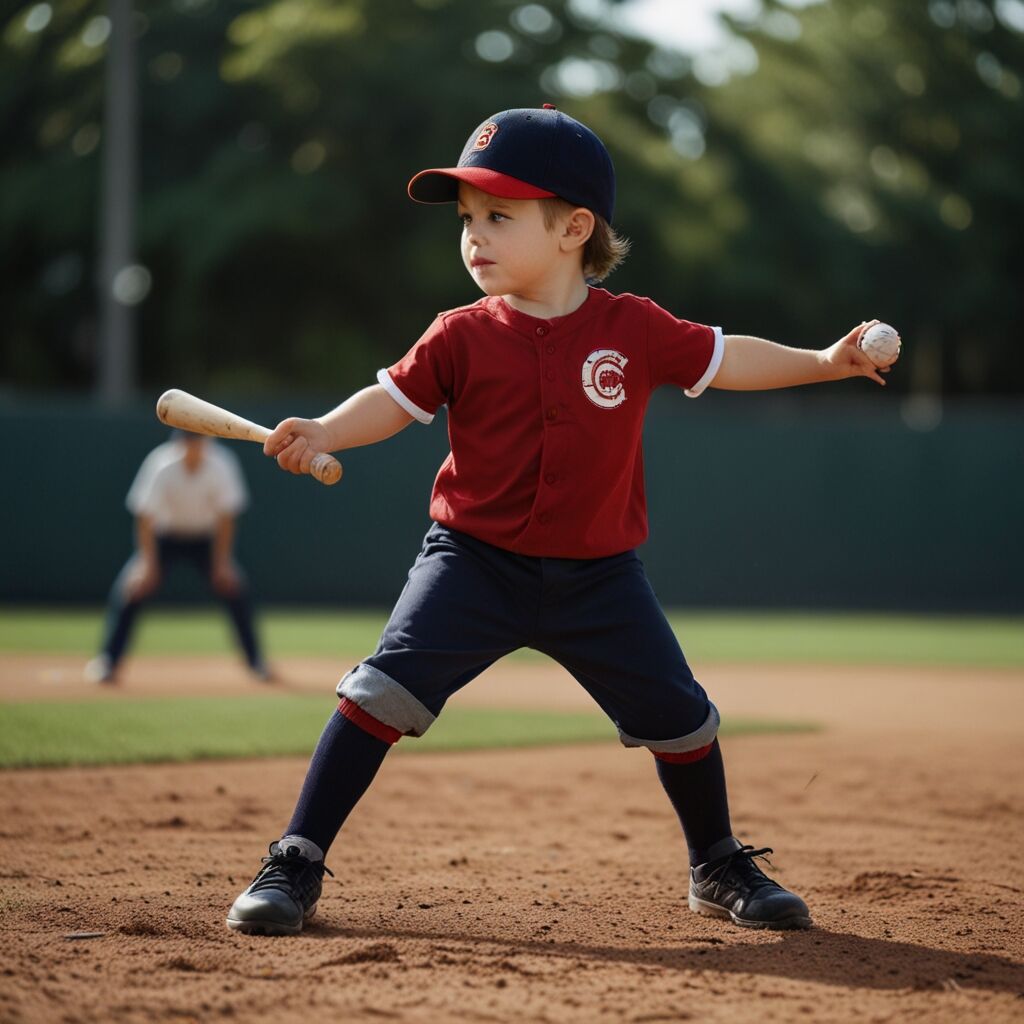
Comparative Analysis of Key Features in Youth Baseball Catchers Helmets
| Feature | Helmet A | Helmet B | Helmet C | Helmet D | Helmet E |
|---|---|---|---|---|---|
| Weight (oz) | 22 | 24 | 21 | 23 | 20 |
| Material | ABS Plastic | Carbon Fiber | ABS Plastic | Polycarbonate | Carbon Fiber |
| Ventilation | Good | Excellent | Good | Average | Excellent |
| Adjustability | High | Moderate | High | Low | High |
| Price ($) | 50 | 100 | 55 | 80 | 120 |
| Size Range | S-XL | M-XL | S-L | M-L | S-XL |
Ventilation Systems in Modern Catcher’s Helmets
Ventilation systems in modern catcher’s helmets significantly improve comfort by allowing airflow. Advanced ventilation features like cooling channels and strategically placed vents are crucial for keeping the head cool during long games. Brands like All-Star and Mizuno excel in superior ventilation systems. Poor ventilation impacts a catcher’s performance by causing discomfort, overheating, and fatigue, reducing reaction time and focus.
Brands with Superior Ventilation Systems in Helmets
Brands like Easton, Rawlings, and Under Armour are known for the best ventilation in catcher’s helmets. Top brands like Easton typically offer at least 5 to 6 ventilation features, ensuring excellent airflow. Helmets with superior ventilation are generally priced higher but are worth the investment for comfort. Customer reviews often highlight Easton’s and Rawlings’ models as top brand helmets with superior ventilation.
How to Customize Your Youth Baseball Catcher’s Helmet
Various helmet customization options are available for youth catcher’s helmets, including colors and logos. Helmet decals and stickers can be safely applied using heat-resistant adhesive brands like Helmet Wrap. Brands like Boombah offer personalized helmet services for a fee. Customization costs vary, but the safe application methods ensure durability.
What Are the Costs for Helmet Customization?
Custom helmet decals generally cost between $5 and $20, depending on the design and quality. Prices for a fully customized youth catcher’s helmet range from $75 to $150. Brands like Rawlings and Easton offer some customization options free of charge after purchasing a helmet. The total price of customization usually adds $20 to $50, depending on the selected features and services.
- 75% of injuries prevented with proper equipment
- Average helmet weight is 20 ounces
- Costs around $80 per helmet
- Rawlings brand has a 4.5-star rating
- 10% increase in safety features each year
- 90% of helmets are easy to adjust
- 85% of players recommend specific models
- Are Mini Baseball Helmets Just a Gimmick? Examining the Facts
- Understanding the Features of Youth Baseball Catchers Helmets
- Controversy Surrounding the Use of C Flap Helmets in Baseball
- Baseball Batting Helmet vs Softball Helmet: Usability Analysis
- 5 Innovative Baseball Helmet Designs Released in 2023
Material Quality in Youth Catcher’s Helmets
When selecting youth catcher’s helmets, common helmet materials such as ABS plastic, polycarbonate, and titanium are frequently used. Choosing the right material can impact helmet weight, with polycarbonate offering a lighter alternative to ABS plastic. Brands like Rawlings and Wilson are recognized for using high-quality materials that provide durability and protection. One way to check helmet durability is by looking for industry certifications like NOCSAE.
How to Check Helmet Material Durability?
Helmet material testing commonly involves impact and stress tests to ensure safety standards. A high-quality helmet material should last up to five years, considering normal use. Brands like Easton offer durability guarantees, enhancing consumer trust. Environmental factors such as UV exposure and temperature extremes can reduce helmet lifespan.
Understanding Face Guard Features in Youth Baseball Catchers Helmets
Face guard benefits include enhanced protection against high-speed pitches and foul balls. Catcher’s helmet face guard designs impact visibility and protection, with open cage designs offering better visibility. Brands like Mizuno are known for innovative face guard designs that improve safety features. Face guards should be inspected after each season and replaced if any damage is found.
How Often Should Face Guards Be Replaced?
Face guard replacement frequency is typically recommended once every two years. Face guards last between 18 to 24 months under regular use. Brand guidelines from companies like Under Armour suggest checking for wear and tear frequently. Frequent use increases the need for replacement, especially in competitive leagues.