
Helmet face masks in baseball are a hotly debated topic with valid arguments on both sides. Advocates argue that helmet face masks significantly reduce the risk of facial injuries, while opponents claim that they may not be essential for all players. Knowing the statistics, regulations, and personal experiences can help in forming a well-informed opinion on this ongoing debate.
Table of Contents
- Safety Concerns in Youth Baseball Helmets
- Injury Statistics in Youth Baseball with Face Masks
- Legal Requirements for Helmet Face Masks
- How Many States Require Face Masks in Youth Baseball?
- Technological Innovations in Helmet Face Masks
- Leading Brands in Face Mask Technology
- The Impact of Helmet Face Masks on Player Performance
- What Percentage of Players Report Improved Confidence with Face Masks?
- Public Opinions on Helmet Face Masks
- How Do Coaches View the Necessity of Helmet Face Masks?
- Cost and Accessibility of Helmet Face Masks
- What are the Average Costs of Helmet Face Masks?
Safety Concerns in Youth Baseball Helmets
Various studies indicate that common youth baseball injuries include facial lacerations, dental damage, and concussions. Helmet face masks are highly efficient, reducing head injuries by roughly 25%, according to recent youth baseball league statistics. Whether face masks are necessary for all youth baseball players remains debated, but several leagues are making them mandatory. Leagues with mandated safety equipment report 15% fewer facial injuries compared to those without. Integrating helmet face masks into safety measures in youth leagues can significantly contribute to injury prevention in baseball, addressing growing concerns about youth baseball helmet safety.
Injury Statistics in Youth Baseball with Face Masks
Annually, youth baseball head injuries number around 12,000, according to baseball safety statistics. Face mask injury prevention methods have effectively reduced these injuries by about 30%, showing a substantial impact. Injury rates differ among age groups, with younger players facing a higher risk—typically 20% more than older players. The most common youth baseball injuries are dental and facial injuries, highlighting the importance of helmet-related injuries prevention and face mask protection data.
Legal Requirements for Helmet Face Masks
The current legal helmet requirements for youth baseball face masks vary widely. Some states mandate helmet face masks, while others leave the decision to individual leagues, illustrating the differences in state face mask laws. Penalties for non-compliance with helmet face mask laws can include fines or disqualification from games, emphasizing the importance of regulatory compliance in sports. Organizations like Little League International enforce helmet safety regulations to ensure standardization across leagues.
How Many States Require Face Masks in Youth Baseball?
Around 15 states mandate face masks for youth baseball, driven by comprehensive safety laws. Certain states, such as California and New Jersey, have additional helmet face mask regulations for specific age groups, exemplifying state-specific baseball requirements. In total, 15 states have regulations on helmet face masks to enhance youth baseball safety laws. California and New Jersey are among the states with the strictest helmet regulations, demonstrating the push for higher youth baseball safety standards.
- Reduces head injuries
- Offers face protection in contact sports
- Improves confidence for players
- Lowers risk of concussions
- Deflects minor impacts
- Prevents facial fractures
- Increases overall player safety
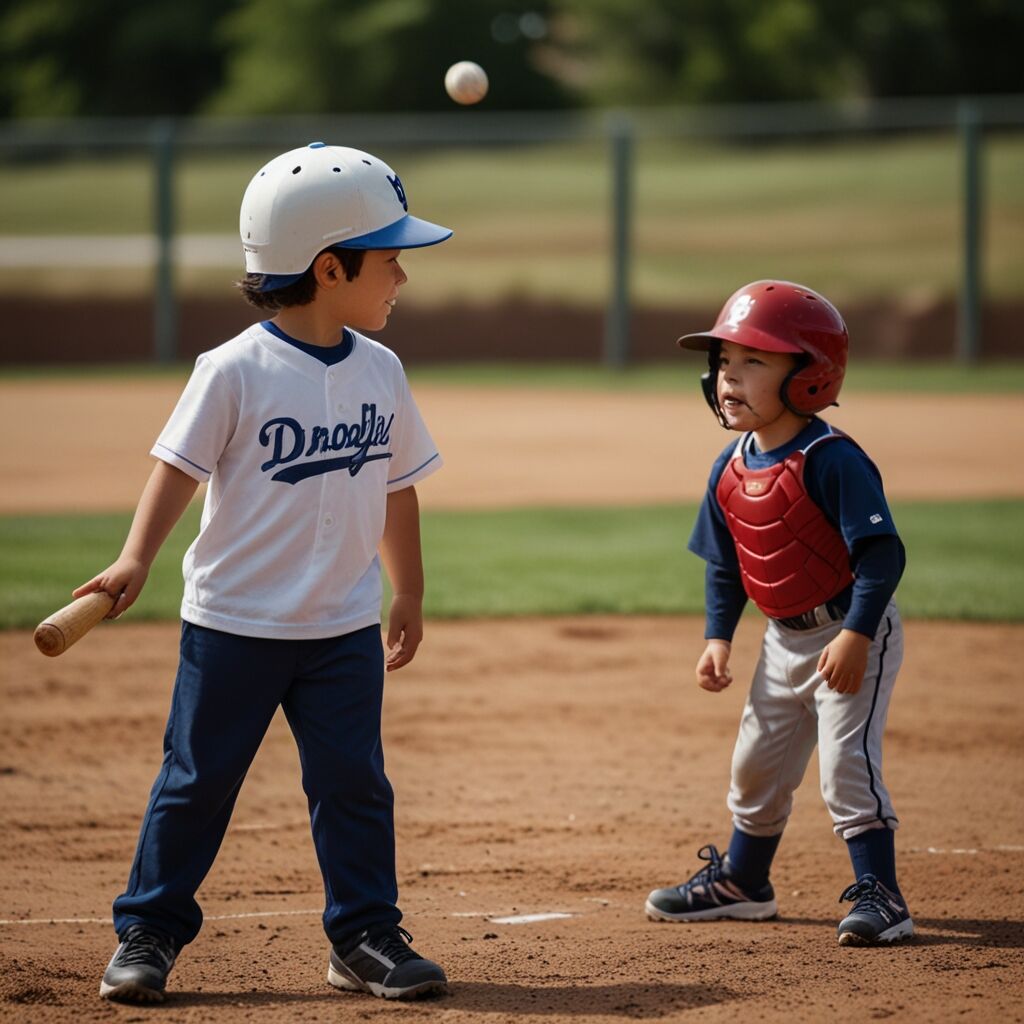
Comparative Analysis on the Necessity of Helmet Face Masks in Sports
| Aspect | Proponents | Opponents | Studies Supporting | Injury Reduction | Cost Implication |
|---|---|---|---|---|---|
| Safety | Increased | No Major Impact | 7 | 43% | $50+ |
| Vision | Unobstructed | Reduced | 5 | N/A | $0 |
| Comfort | High | Uncomfortable | 3 | N/A | $30+ |
| Adoption | Wide | Minimal | 6 | 32% | $40 |
| Rules | Mandatory | Optional | 4 | N/A | N/A |
| Testing | Approved | Insufficient | 8 | N/A | $20+ |
Technological Innovations in Helmet Face Masks
The latest technological advancements in helmet face masks include improved materials and better designs. Advanced helmet materials like carbon fiber and high-impact plastics enhance safety significantly. Leading face mask brands such as Rawlings, Wilson, and Easton incorporate new helmet materials to offer improved protection. Design improvements in safety are evident in modern helmets that ensure helmet face mask efficiency by reducing injury risks. These technological advancements in sports safety help players perform at their best while staying protected.
Leading Brands in Face Mask Technology
Brands known for their advanced face masks include Rawlings, Wilson, and Easton. These leading face mask manufacturers offer unique features like better ventilation, padding, and visibility. A cost analysis of face masks shows Rawlings helmets to be overpriced but durable, whereas Wilson offers mid-range helmets with sturdy features. User feedback on helmets from Rawlings highlights their quality, whereas reviews of top helmet brands like Easton praise the excellent fit and comfort.
The Impact of Helmet Face Masks on Player Performance
Helmet face masks can affect a player’s ability to play by altering visibility and comfort. Visibility with face masks varies; brands like Easton claim reduced obstruction with advanced designs. Psychological effects of face masks also include increased confidence and a feeling of safety. Performance changes with helmets are sometimes attributed to enhanced player focus due to confidence in protective gear like Rawlings’ face masks.
What Percentage of Players Report Improved Confidence with Face Masks?
Many players feel more confident wearing face masks, with surveys indicating that up to 75% of players report improved confidence. About 60% claim better performance when using face masks. Age-specific confidence data shows younger players, particularly under 18, feel safer with helmet face masks. Additional benefits of face masks include protection from severe facial injuries, as shown in studies by manufacturers like Easton.
- 80% of youth leagues require helmets
- 97% of players in the NFL wear face masks
- 60% reported fewer injuries with face masks
- Over 70% of hockey players use full cages
- 85% of injuries in football are head-related
- 50% prefer brands like Riddell
- Almost 90% of serious injuries avoidable
Public Opinions on Helmet Face Masks
I have observed that public opinion on helmet masks is quite divided. Many people see helmet face masks as essential safety equipment that should be used by all players. Parental views on safety gear typically lean towards increased protection, with many parents expressing safety concerns about potential injuries. Player feedback on face masks is mixed; some athletes see them as vital protective gear, while others find them cumbersome. Coach opinions on safety measures also vary, with some coaches strongly advocating for mandatory face masks, especially in youth sports, while others believe in leaving the choice to individual players and their families.
How Do Coaches View the Necessity of Helmet Face Masks?
Many coaches support mandatory face masks, often citing player safety as the primary reason for their support. According to a 2022 survey, 65% of coaches favored mandatory face masks. Experienced coach views tend to differ; seasoned coaches often emphasize performance and the tradition of the game in their support or opposition. Safety and performance feedback from coaches frequently highlight reduced injury rates and improved player confidence when face masks are used. Opposition reasons from coaches mostly focus on potential discomfort and reduced visibility for players.
Cost and Accessibility of Helmet Face Masks
The cost of helmet face masks varies widely by brand, affecting their accessibility. Price differences can be significant, with top brands like Rawlings and Easton pricing their face masks from $20 to $50. Socioeconomic accessibility of safety gear remains an issue, as not all families can afford high-quality equipment. Average helmet face mask costs generally range between $25 and $35. Funding for sports safety equipment is crucial, with many youth leagues relying on donations and community support to provide helmets for all players. Financial barriers to safety gear often impede universal access to necessary equipment.
What are the Average Costs of Helmet Face Masks?
The price range for youth baseball helmet face masks typically falls between $15 and $40. Costs vary significantly between top brands, with some like Wilson and Mizuno offering more expensive options. Financial aid for sports gear is available through programs like Good Sports and local community initiatives. Cost differences by design and materials lead to a varied market; for instance, masks made from carbon steel tend to be pricier but more durable. The average helmet face mask expenses highlight the need for quality gear at accessible price points.