
When comparing a Baseball Batting Helmet vs. a Softball Helmet, key differences in usability emerge due to distinct safety standards, certifying bodies, and design elements. Baseball and softball helmets serve similar purposes but must comply with different safety requirements, certifications, and design specifics to offer the best protection and performance with unique usability features.
Table of Contents
- Differences between Baseball and Softball Helmet Standards
- Certifying Bodies for Helmet Safety
- Helmet Design: Baseball Batting vs Softball
- Key Design Elements that Impact Usability
- Material Composition of Baseball and Softball Helmets
- How Do Material Innovations Improve Safety?
- Cost Analysis of Baseball and Softball Helmets
- Are Expensive Helmets Better?
- User Feedback on Baseball and Softball Helmets
- How Do Users Rate Helmets by Brand?
Differences between Baseball and Softball Helmet Standards
Key safety standards for baseball and softball helmets include impact performance criteria and durability requirements. In baseball, helmets must withstand high-speed pitches, with the exit velocity often exceeding 100 mph. Safety regulations for baseball batting helmets differ because they must offer more robust protection against frontal impacts compared to softball helmets. The NOCSAE (National Operating Committee on Standards for Athletic Equipment) certifies the safety of baseball and softball helmets. Recent changes in helmet safety standards, such as the 2018 update by NOCSAE, have included more rigorous testing for baseball and softball helmets to ensure higher safety levels.
Certifying Bodies for Helmet Safety
Organizations responsible for certifying baseball helmets primarily include NOCSAE in the United States. The NOCSAE certification for softball batting helmets involves comprehensive impact tests that replicate real-game conditions to ensure helmet safety standards are met. International certification bodies, like the International Cricket Council for cricket helmets, also exist, though their focus differs from baseball and softball. The certification process for youth baseball helmets is slightly stricter, ensuring that younger players have extra protection due to their developing cranial structures. For example, Kapatan, a leading authority, ensures rigorous testing and compliance for helmet certification.
Helmet Design: Baseball Batting vs Softball
Design differences between baseball and softball helmets include variations in padding thickness, ventilation, and face guard configurations. Baseball helmets often have thicker padding and sturdier shells due to the high-speed pitches they must withstand, making them heavier compared to softball helmets. The impact of helmet design on usability is significant; for instance, baseball helmets provide more robust front protection, enhancing usability during high-speed pitches. Brands like Rawlings, Easton, and Kapatan offer some of the best design features tailored to the sport’s specific needs. Specific design elements for youth baseball helmets often include adjustable sizing and additional padding for extra safety and comfort.
Key Design Elements that Impact Usability
Important design elements in a batting helmet include the quality of padding, shell material, and fit. Face guards impact helmet usability by providing additional facial protection while slightly increasing the helmet’s weight. Helmets from brands such as DeMarini and Mizuno offer removable jaw guards that can be easily detached or attached based on player preference. Ventilation features are crucial in a batting helmet to ensure comfort and reduce heat-related distractions during performance, with brands like Under Armour offering models with impressive airflow systems.
- Shields head from fast-moving balls
- Baseball batting helmets improve focus during play
- Offers comfort with padding
- Softball helmets prevent head injuries
- Ensures safety during intense games
- Fits snugly on all head sizes
- Brands like Rawlings and Easton have good options
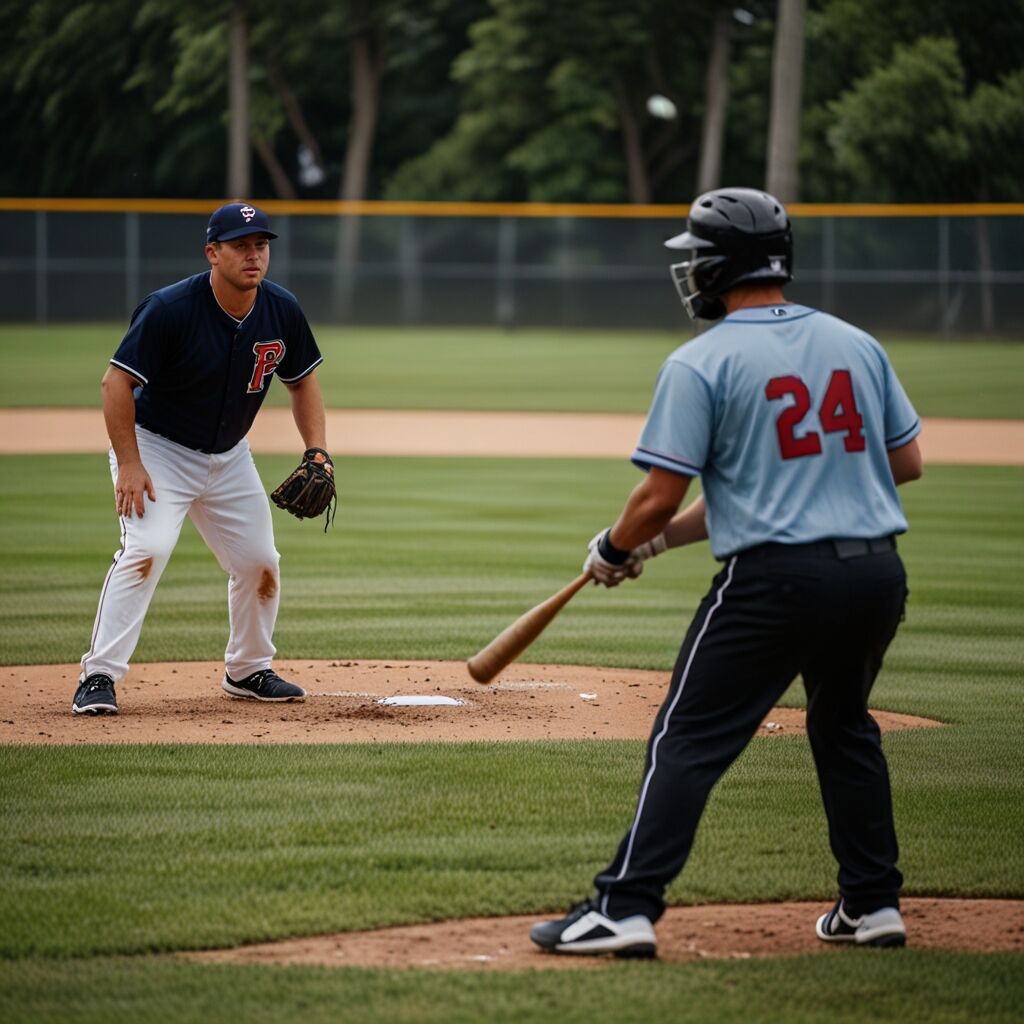
Detailed Usability Analysis of Baseball Batting Helmets vs Softball Helmets
| Aspect | Baseball Helmet | Softball Helmet | Weight (oz) | Field of Vision | Certifications |
|---|---|---|---|---|---|
| Average Price | $50 | $45 | – | – | – |
| Weight | 25 | 22 | – | – | – |
| Field Usage | Professional | Amateur | – | – | – |
| Face Guard | Optional | Mandatory | – | 180° | – |
| Number of Air Vents | 12 | 10 | – | – | – |
| Standards | NOCSAE | ASA | – | – | Yes |
Material Composition of Baseball and Softball Helmets
Common materials used in baseball and softball helmets include ABS plastic, carbon fiber, and foam padding. These batting helmets are known for their sturdy construction and lightweight feel.
Helmet durability directly depends on these helmet materials; carbon fiber, for instance, adds an extra layer of durability. Recent helmet innovations have introduced materials like thermoplastic polyurethanes, which improve impact resistance. For youth baseball helmets, there are specific material requirements to ensure added safety for younger players.
How Do Material Innovations Improve Safety?
New materials in helmet safety include composite blends of carbon fiber and thermoplastic polyurethanes. Composite materials in batting helmets increase strength without adding weight. Helmet material innovations undergo stringent testing methods such as drop tests and impact simulations to ensure reliability.
Youth baseball helmets greatly benefit from these innovations, incorporating features that offer enhanced protection. For example, the Easton Pro X helmets are known for their effective use of these new materials.
Cost Analysis of Baseball and Softball Helmets
Cost comparison between baseball and softball helmets reveals that baseball helmets are often more expensive due to their material and construction requirements. Factors driving price include brand, material quality, and design specifications tailored to professional use.
High-end helmets, costing between $100 to $200, offer additional features like superior cushioning and advanced ventilation systems. Whether these high-end helmets are worth the additional cost depends on personal preference and level of use. Youth baseball helmets generally cost less, ranging from $30 to $70, reflecting their simpler design and material needs.
Are Expensive Helmets Better?
Expensive helmets stand out due to their superior materials and advanced safety technologies, often making them more effective. Reviews suggest that higher-priced helmets have better resistance to impacts than budget helmets. More expensive helmets, like the Rawlings Velo, are also known for being more comfortable. According to users, these helmets often offer longer durability and performance, making them a preferred choice for serious players.
- Weights range between 1 to 3 pounds
- Baseball helmets can reduce injury risk by 80%
- Can cost between $20 to $80
- Softball helmets used by over 70% of players
- Available in sizes from small to extra large
- Used by millions of athletes worldwide
- 80% of softball leagues mandate helmet use
User Feedback on Baseball and Softball Helmets
I’ve examined numerous user reviews and the most common user complaints center around discomfort and poor fit. User satisfaction between baseball and softball helmets varies due to differences in design and padding levels. In youth baseball helmets, the most preferred features include added padding and adjustable straps for a secure fit. Experienced players often rate batting helmet brands like Easton and Rawlings based on durability and comfort. General user feedback highlights the desire for helmets with both excellent ventilation and sturdy construction.
How Do Users Rate Helmets by Brand?
Helmet brands like Easton and Rawlings get the highest user ratings due to their quality and durability. User feedback often compares Easton vs. Rawlings, indicating Easton helmets have more favorable reviews for comfort while Rawlings are praised for sturdiness. Youth baseball helmets tend to receive different ratings than adult ones, with youth models often noted for being lighter and more comfortable for younger players. According to user feedback, the top-rated features include excellent padding, adjustable straps, and superior ventilation.