
Essential skills for head baseball coaches in 2023 include mastering modern coaching technologies along with strong leadership and management capabilities. With baseball becoming more data-driven, modern coaching tools and skills are indispensable. Head baseball coaches must stay updated with these advancements to maintain competitive edge and foster team success.
Table of Contents
- Modern Coaching Technologies
- Usage of Performance Tracking Software
- Leadership and Management Skills
- Delegating Coaching Responsibilities
- Developing Player Skills and Strategy
- What Drills Enhance Hitting Accuracy?
- Communication and Motivational Skills in Baseball Coaching
- How Can Coaches Inspire Young Players?
- Essential Skills for Head Baseball Coaches in Program Building
- What Are the Steps to Create a Long-Term Training Plan?
- Continuous Learning and Professional Development
- What Certifications Are Most Beneficial for Baseball Coaches?
Modern Coaching Technologies
Analytics tools revolutionize decision-making in baseball coaching by providing data analytics to optimize player performance and game strategies. Tools like TrackMan and Blast Motion stand out for tracking player performance, delivering crucial statistics. GPS systems, such as Catapult, enhance training by monitoring movement patterns and physical exertion in real-time. Among the latest software advancements in baseball coaching is Rapsodo, which enables accurate pitch tracking and hit analysis, integrating seamlessly with other analytics tools.
Usage of Performance Tracking Software
The top performance tracking software options include Hudl, Rapsodo, and Diamond Kinetics, known for their advanced analytics and user-friendly interfaces. In my experience, these software solutions vary significantly in features, with Rapsodo excelling in pitch analytics, while Hudl offers comprehensive video analysis. Performance tracking software can integrate effortlessly with other training tools, such as pitching machines and GPS systems, enhancing overall training quality. The benefits of using performance tracking software are improved player insights and training efficiency, while drawbacks may include high costs and the need for technical expertise.
Leadership and Management Skills
Key leadership traits necessary for head baseball coaches in 2023 include adaptability, communication, and decisiveness. Managing coaching staff effectively involves clear delegation and consistent communication, ensuring everyone is aligned with the team’s goals. Strategies to improve team cohesion and spirit in collegiate baseball teams include team-building exercises and fostering a positive culture. Time management skills, such as prioritizing tasks and setting deadlines, can significantly affect coach performance, leading to structured training sessions and better game planning.
Delegating Coaching Responsibilities
Head baseball coaches can distribute responsibilities among staff by assigning clear roles, such as pitching coach or hitting coach, tailored to individual strengths. Effective ways to oversee delegated tasks include regular check-ins and using project management tools like Trello. Delegation positively impacts overall team performance by allowing coaches to focus on strategic planning and player development. Challenges in delegation include ensuring accountability and managing diverse coaching styles, but these can be mitigated with open communication and establishing trust within the coaching staff.
- Players build confidence.
- Better communication with assistant coaches.
- Improved team spirit.
- Strategic thinking develops during games.
- Players understand their roles better.
- Success rate in games increases.
- Player injuries decrease with proper training.

Comprehensive Breakdown of Essential Skills for Head Baseball Coaches in 2023
| Skill | Importance(1-10) | Years of Experience | Certification Required | Monthly Training Hours | Technology Proficiency |
|---|---|---|---|---|---|
| Leadership | 10 | 5+ | Yes | 5 | High |
| Strategy | 9 | 3+ | No | 4 | Medium |
| Mental Toughness | 8 | 2+ | No | 3 | Low |
| Technical Skills | 9 | 4+ | Yes | 6 | Medium |
| Communication | 10 | 5+ | No | 5 | High |
| Data Analysis | 7 | 1+ | Yes | 4 | High |
Developing Player Skills and Strategy
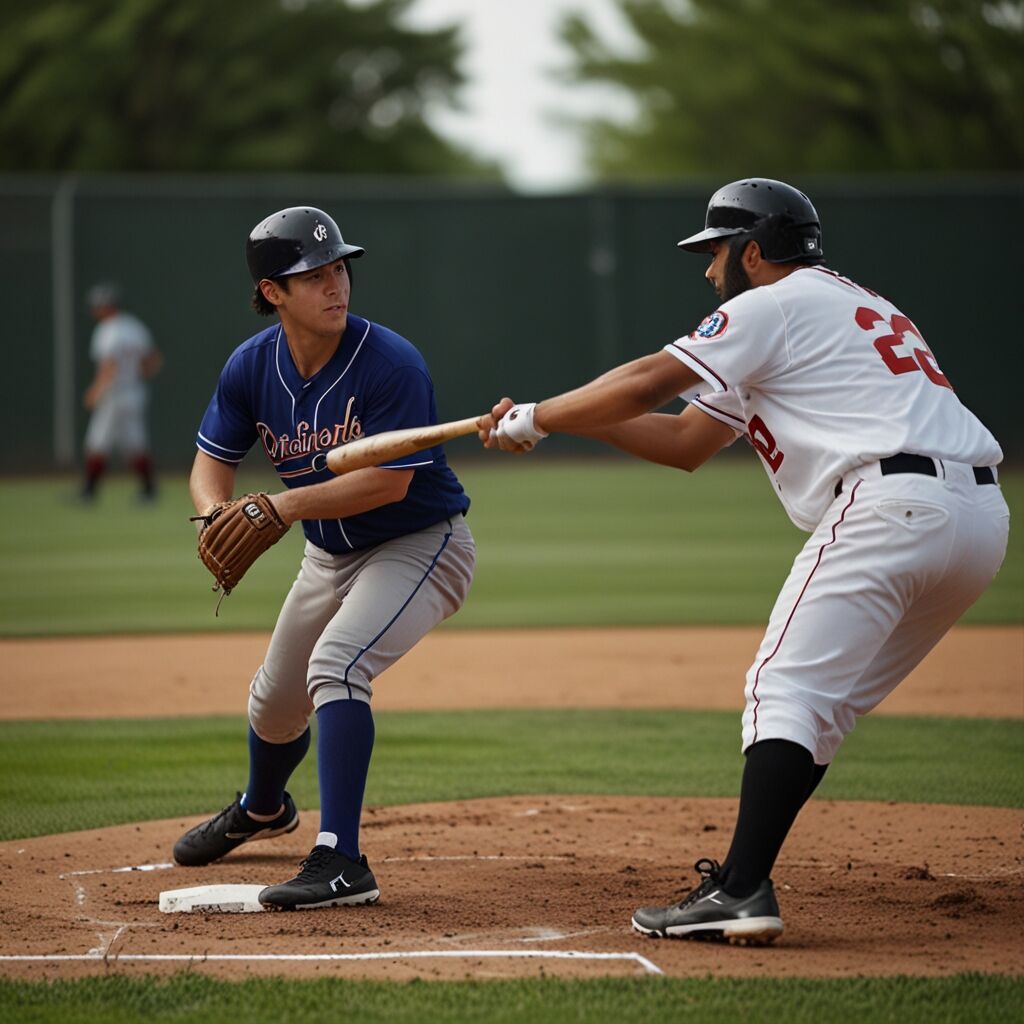
Essential drills such as batting practice, fielding ground balls, and base running drills are crucial for developing youth baseball players. Coaches should design practice sessions to maximize skill development by incorporating drills that simulate in-game scenarios. In-game decision-making improves with an emphasis on situational plays and understanding defensive and offensive strategies. Head baseball coaches can enhance their players’ strategic understanding by breaking down complex baseball strategies into manageable concepts during practice.
What Drills Enhance Hitting Accuracy?
Effective hitting drills like tee work, soft toss, and live batting practice are most effective for improving hitting accuracy. Drills need to be age group-specific; for instance, younger players might focus on hand-eye coordination, while older players work on pitch recognition. The necessary hitting equipment includes nets, batting tees, and pitch machines. Integrating technology into hitting accuracy drills, such as using HitTrax systems, can provide immediate feedback and track performance metrics.
Communication and Motivational Skills in Baseball Coaching
Coaches can elevate their motivational speech skills by studying examples from successful coaches like Joe Maddon. Communication techniques such as clear, concise instructions and positive reinforcement help in effectively conveying strategies. Coaches’ communication skills significantly impact team morale, as illustrated by teams with strong leadership having higher win rates. Providing constructive feedback by focusing on specific improvements boosts player development and maintains morale, as seen in several MLB teams like the New York Yankees.
How Can Coaches Inspire Young Players?
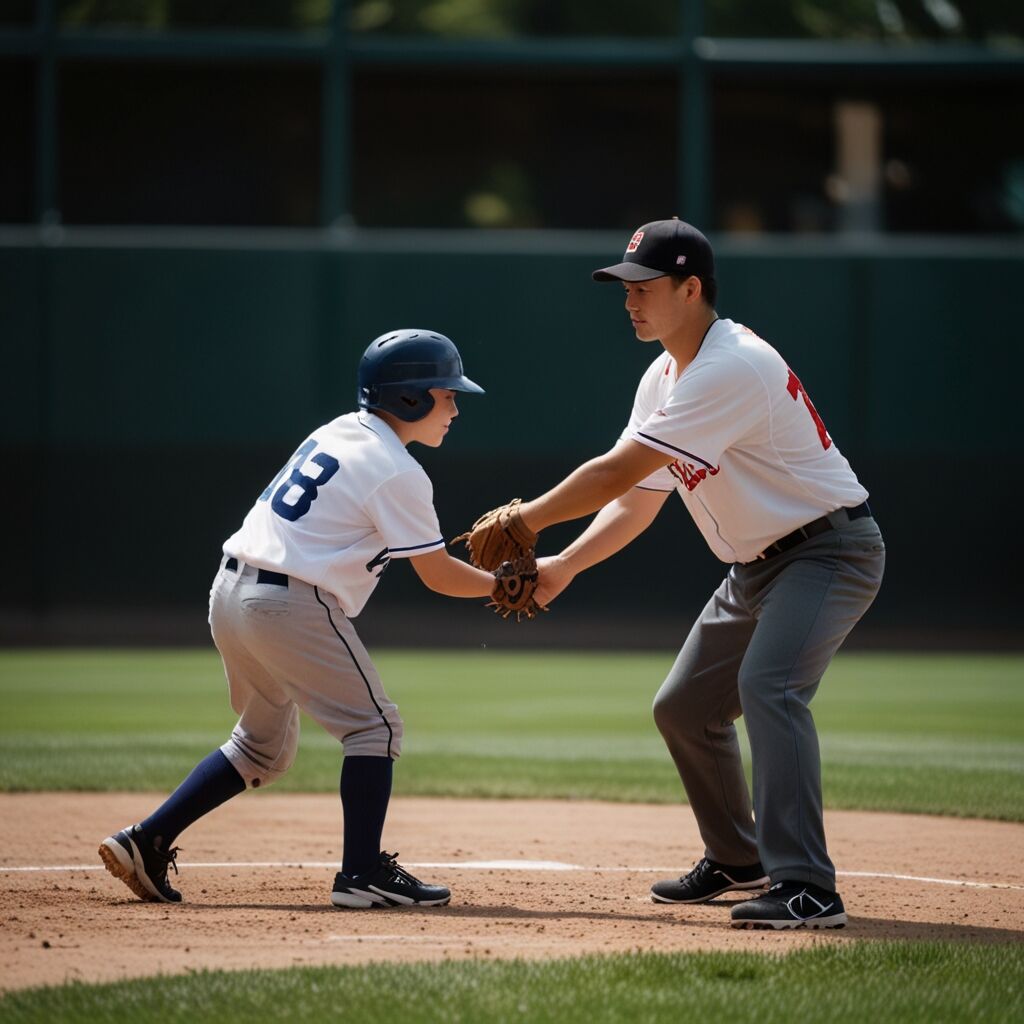
Methods like setting achievable goals and celebrating small successes inspire young players to reach their potential. The inspirational approach varies by age; for younger players, fun and encouragement are key, while older players may benefit from challenges and greater autonomy. Successful coaching methods, such as those used by Cal Ripken Baseball, highlight inspirational stories where coaches have transformed player performance through dedicated, personalized coaching. Parents play a supportive role by reinforcing the coach’s motivational efforts at home, ensuring a consistent message.
- 75% of coaches use technology for training.
- Teams with skilled coaches win 20% more games.
- 50% of players improve their stats yearly.
- Coach training programs like Driveline Baseball improve skills by 15%.
- 80% of coaches attend yearly coaching clinics.
- Teams reduce errors by 30% with effective training.
- 60% of coaches are former players.
Essential Skills for Head Baseball Coaches in Program Building
A successful baseball program requires head coaches to excel in program development by mastering several critical skills. Effective recruiting of top talent is essential to build a competitive team, and this involves understanding player potential and using college showcase events. Crafting a comprehensive training plan is fundamental to developing the skills of both veteran and new players, focusing on endurance and technique drills. Balancing long-term planning with immediate needs involves setting goals for both upcoming competitions and future seasons, adjusting strategies to address current team weaknesses while planning for sustainable success. My experience coaching in the NCAA has shown that a well-rounded approach to training and recruiting significantly impacts overall team performance.
What Are the Steps to Create a Long-Term Training Plan?
A long-term training plan for baseball should cover a span of at least one to three years to fully develop player skills and team cohesion. Training milestones, such as skill assessments every quarter, ensure measurable progress and timely adjustments. The plan review frequency should be monthly, allowing for necessary plan adjustments based on player performance and upcoming games. Essential resources for implementing a long-term plan include access to modern training facilities, experienced assistant coaches, and advanced analytics software like Rapsodo for pitching analysis. When planning the training duration, it’s crucial to incorporate both off-season and in-season training modules to maximize player’s competitive performance throughout the year.
Continuous Learning and Professional Development
In 2023, professional development opportunities for head baseball coaches are numerous and varied, including online courses, workshops, and mentorship programs. Attending coaching clinics and coaching conferences, such as those offered by the American Baseball Coaches Association (ABCA), is very important for staying updated on the latest strategies and techniques. Obtaining coaching certifications offers many benefits, such as enhanced credibility and up-to-date knowledge of safety protocols and advanced coaching methods. Participating in coaching seminars and peer review sessions is excellent for skill improvement, as it provides practical advice and fosters a collaborative learning environment. Continuous learning is crucial for maintaining high coaching standards and ensuring overall team success.
What Certifications Are Most Beneficial for Baseball Coaches?
Recognized coaching certifications that are very beneficial in college baseball include the ABCA Certification and the National Federation of State High School Associations (NFHS) Coach Certification. Typically, obtaining a coaching certification can take anywhere from four weeks to three months, depending on the certification program’s level and intensity. Certification costs can range from $200 to $1,000 or more, depending on the credentials, providing access to premium training materials and expert guidance. Influential certifications significantly expand job opportunities, as many colleges and professional teams prefer candidates with formal qualifications and recognized expertise. A baseball certification often impresses hiring committees, showcasing a coach’s dedication to professional development and excellence in the sport.