
Wooden bats and aluminum bats each have their advantages for young players, making the choice dependent on specific needs and preferences. Understanding the differences helps in deciding which bat is best for youth baseball games and practice. Material durability, investment efficiency, swing performance, and recommended weights are key factors to consider.
Table of Contents
- Material Durability and Lifespan
- Long-Term Investment Efficiency
- Swing Performance in Young Players
- What is the Recommended Bat Weight for Youth?
- Safety Considerations for Youth Players
- Safety Protocols in Youth Leagues
- Cost Differences Between Wooden and Aluminum Bats
- What is the Best Budget Option?
- Impact on Skill Development in Young Players
- How Do Coaches Advise on Bat Selection?
Material Durability and Lifespan
On average, a wooden bat lasts a few seasons for young players if used correctly and maintained well. When used frequently, especially in games, wooden bats can break more easily compared to their aluminum counterparts. Wooden bat longevity, such as from brands like Louisville Slugger or Old Hickory, often depends on the type of wood used. Aluminum bats like those from Easton or DeMarini require less maintenance and have a longer lifespan, often lasting several years with regular use. The bat durability comparison shows significant differences, with aluminum bats generally providing a low maintenance option. Brand durability comparison for youth baseball bats usually favors aluminum due to their sturdy construction and resistance to wear and breakage.
Long-Term Investment Efficiency
Over time, aluminum bats tend to be more cost-effective despite a higher upfront cost. Factors impacting the long-term investment in youth baseball bats include initial purchase price, frequency of replacement, and typical usage patterns. Warranty options vary, with many aluminum bat manufacturers offering one-year warranties, while wooden bat warranties are often shorter or less comprehensive. Hidden maintenance costs for wooden bats include the need for regular care and possibly more frequent replacements, which can add up. Therefore, aluminum bats often result in more savings in the long run, especially considering brands like Marucci and Rawlings.
Swing Performance in Young Players
Swing speeds usually differ between wooden and aluminum bats, with aluminum bats often allowing faster swings due to their lighter weight. For young players, bat weight significantly impacts swing performance, and finding a comfortable balance is key. Bat weight impact is crucial, as heavier wooden bats may slow down the swing but can enhance muscle development and swinging mechanics. Performance differences after extended use reveal that wooden bats may lose effectiveness quicker, whereas aluminum bats maintain their performance over time. Swing mechanics change depending on bat material, with aluminum bats contributing to faster swing speeds and easier handling for young player bats.
What is the Recommended Bat Weight for Youth?
The ideal bat weight for 10-year-old players typically ranges between 16 to 18 ounces. Recommended bat weight changes with age, increasing as players grow and become stronger. Age-specific bat weight guidelines help ensure young players use bats that support their development and performance. Guidelines for choosing the right bat weight include considering the player’s size, strength, and hitting style. League weight recommendations vary, with some leagues having specific rules about bat weight and length to ensure fair play and appropriate usage for youth bat weight standards. Always consult with coaches and league regulations before selecting the bat weight for youth baseball.
- Helps improve batting skills
- Wooden bats teach better control
- Lightweight and easy to swing
- Aluminum bats offer more power
- Durable and long-lasting
- Encourages proper technique
- Wide range of sizes
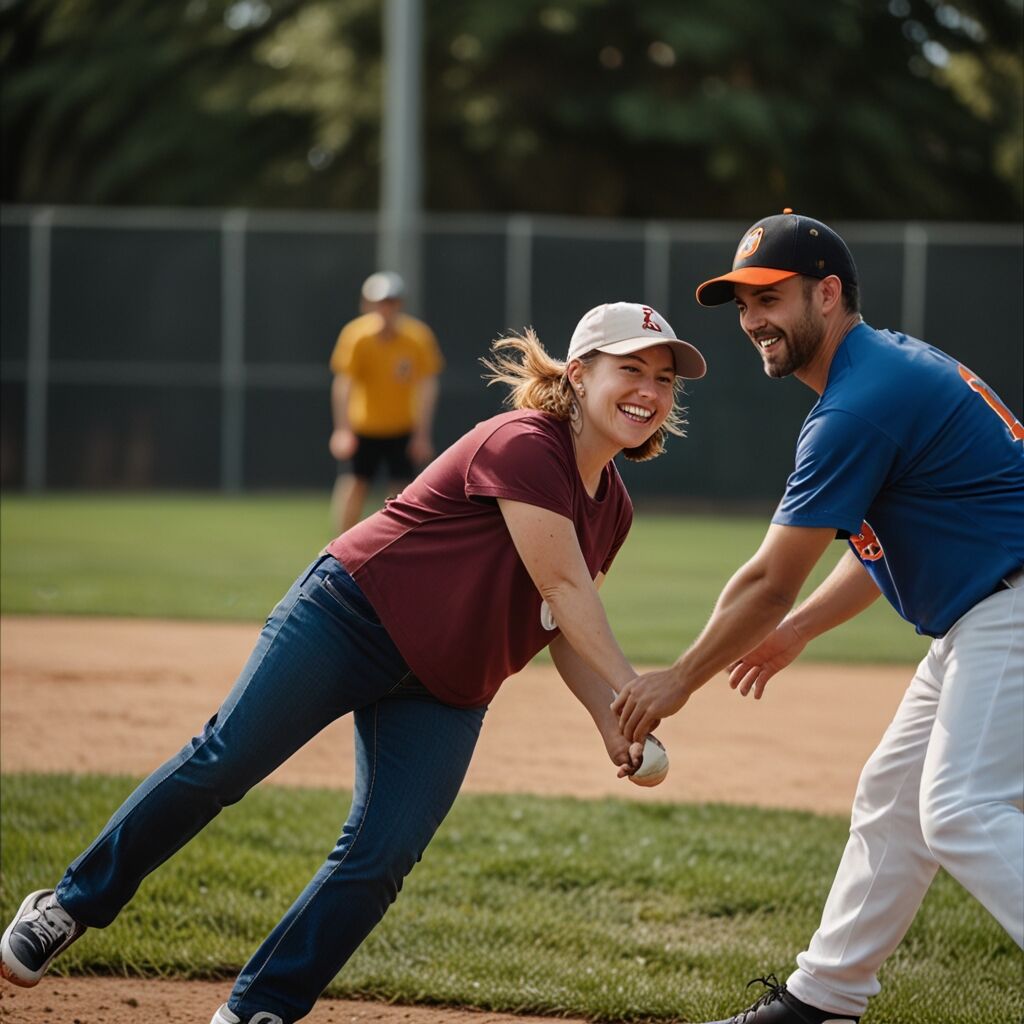
Comparison of Wooden Bats and Aluminum Bats: Benefits and Drawbacks for Young Baseball Players
| Aspect | Wooden Bats | Aluminum Bats | Cost | Weight | Durability |
|---|---|---|---|---|---|
| Material | Wood | Metal | $50-100 | Heavier | Breakable |
| Performance | Traditional | Enhanced | $100-300 | Lighter | Durable |
| Sweet Spot | Smaller | Larger | $$ | Balanced | Long-lasting |
| Safety | Safer | More rebound | Affordable | Varies | Consistent |
| Regulations | Used in pro | Common in youth | Price range | Heavy/light | Resilient |
| Popularity | Coaching preference | Parental choice | Inexpensive | Heavy/light | Less prone to bend |
Safety Considerations for Youth Players
Wooden bats are generally safer than aluminum bats for young players due to their reduced bat speed, which lessens the likelihood of severe injuries. Safety features in bats, such as proper grip and weight distribution, should be considered when choosing a bat for youth player safety. Bat speed influence is critical for young players, as higher speeds from aluminum bats can increase the risk of injuries. Common bat injuries, like hand and wrist fractures, are often associated with heavier wooden bats and the higher impact speeds of aluminum bats. A youth player safety analysis shows the importance of considering both wooden vs. aluminum safety and bat injury prevention when choosing the right bat.
Safety Protocols in Youth Leagues
Youth league safety protocols typically include regulations on maximum bat lengths and weights to ensure bat use protocols. According to the 2020 USA Baseball regulations, leagues mandate specific handling procedures for bat-related injuries to improve injury handling in leagues. Different leagues enforce rules on unused bat materials, ensuring banned materials aren’t used and adhering to unused bat rules. Youth baseball rules require these safety guidelines updates to ensure players’ safety, with major updates occurring every two years. Little League Baseball and other organizations provide clear league safety protocols to ensure a consistent approach to bat use and injury management.
Cost Differences Between Wooden and Aluminum Bats
The average wooden bat price for young players ranges from $30 to $100, depending on the wood quality. Youth aluminum bat costs are typically between $50 and $200, with premium models exceeding this range. There are significant brand cost differences for each bat type, with high-end brands like Marucci and Louisville Slugger often charging more for quality assurance. Shipping and handling costs are usually lower for wooden bats due to their simpler manufacturing process, but they can vary widely. Whether considering average wooden bat prices or youth aluminum bat costs, it’s essential to factor in shipping and handling costs for a full cost comparison of bats.
What is the Best Budget Option?
Budget-friendly wooden bats for youth players include brands like Rawlings, which offers sturdy, affordable options. Budget aluminum bats such as the Easton Speed provide excellent performance at a lower price point. Youth budget options in both categories vary, but budget bat durability remains consistent when you opt for well-reviewed brands. Used bat alternatives, like those found at Play It Again Sports, can be a very good budget option, potentially providing high-quality bats at more affordable prices. Whether considering the budget-friendly wooden bats or affordable aluminum bats, looking into used bat alternatives can be an excellent strategy for young players seeking budget bat performance.
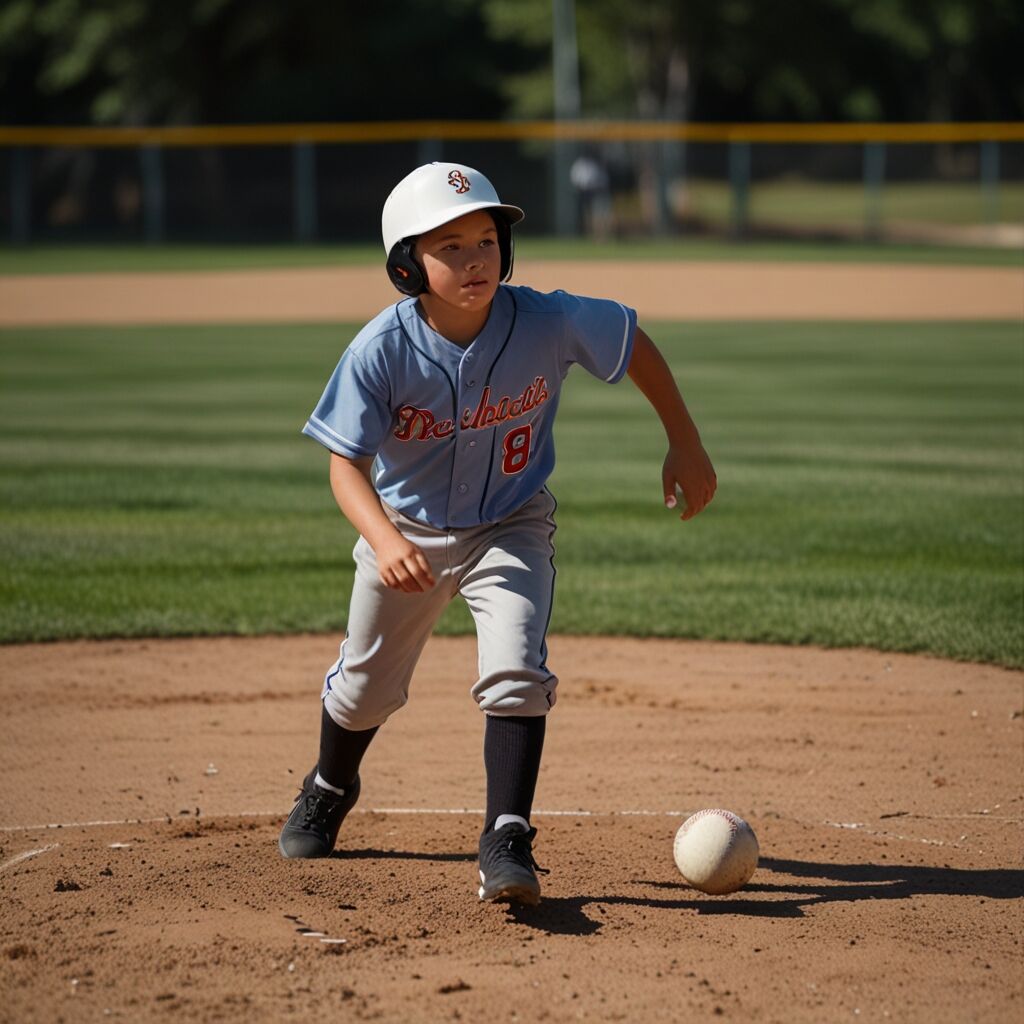
- Wooden bats can weigh 24-28 ounces
- Aluminum bats are used in 85% of youth games
- Wooden bats have smaller sweet spots
- An aluminum bat can last over two seasons
- Best wooden bats cost around $50
- Aluminum bats can cost up to $300
- Aluminum bats generate 5-10% more exit velocity
Impact on Skill Development in Young Players
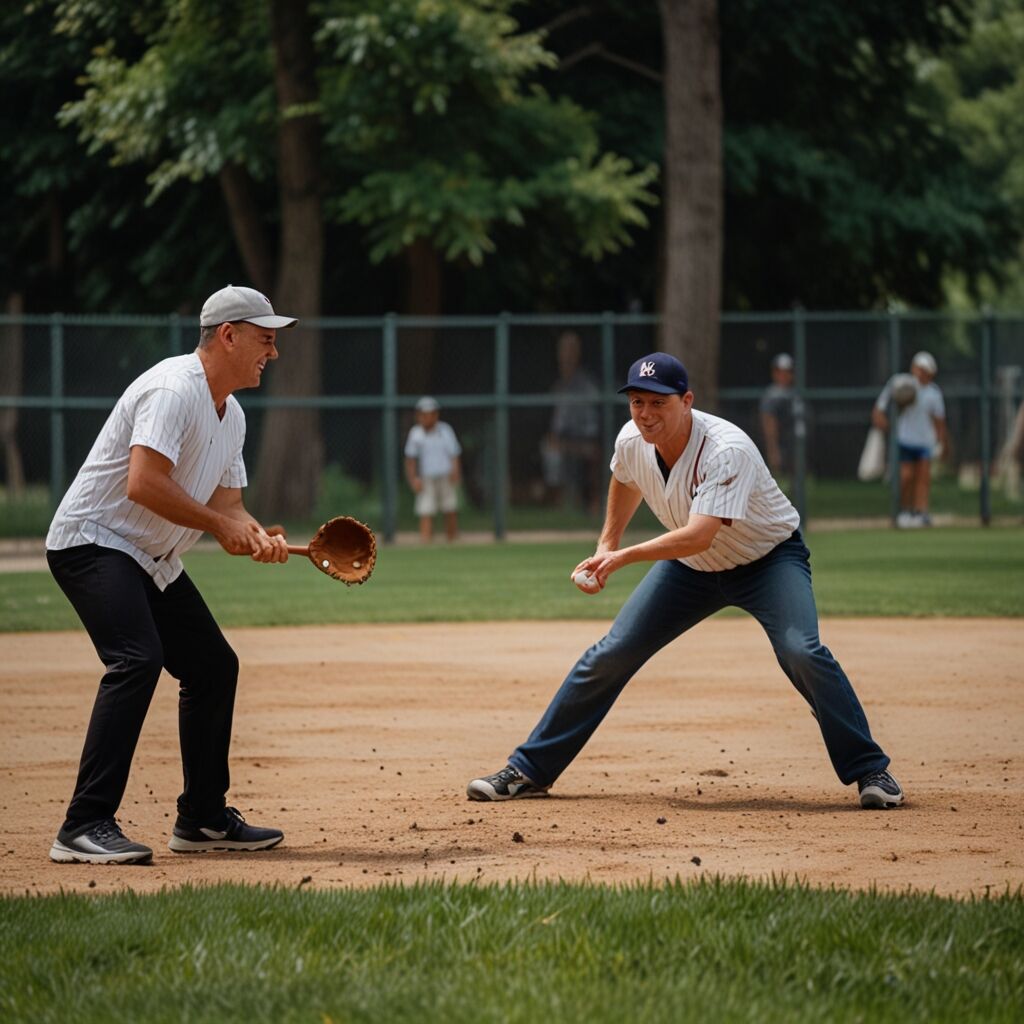
In my experience, wooden bats improve batting skills more effectively than aluminum bats because they require better precision and technique. Wooden bats influence batting techniques by encouraging proper swing mechanics since mistakes become more evident. When considering training regimen bats, wooden bats often play a significant role due to their ability to highlight areas needing improvement. Also, young players may be more likely to develop bad habits using aluminum bats due to their larger sweet spots, which can mask poor form.
How Do Coaches Advise on Bat Selection?
Coaches’ bat selection advice typically includes factors such as weight, length, and material of the bat, along with the player’s size and strength. Coaches often recommend heavier wooden bats for older players to enhance strength, while lighter aluminum bats might be suggested for younger players to build confidence. For skill training, many coaches prefer wooden bats due to their ability to improve precision and technique. Coaches also give bat maintenance advice, stressing regular checks for cracks or dents, especially for wooden bats to ensure longevity.