
Temperature significantly affects the performance and durability of baseball bats made from different materials. Understanding how various bat materials respond to changing temperatures can help optimize batting performance and maintain equipment longevity.
Table of Contents
- Differences in Baseball Bat Materials
- Impact of Cold Weather on Wooden Bats
- Temperature’s Impact on Composite vs. Aluminum Bats
- Best Temperature Range for Composite Bats
- The Effects of Temperature on Bat Lifespan
- How to Extend the Lifespan of Your Bat
- Cold Weather and Bat Performance Metrics
- What Metrics Are Most Affected by Temperature?
- Player Adaptations to Temperature Changes
- How Should Players Adjust Their Grip in Cold Weather?
- Analysis of Professional vs. Amateur Bat Usage in Various Temperatures
- Are There Differences in Bat Choice Between Professional and Amateur Players?
Differences in Baseball Bat Materials
The main types of materials used in baseball bats include aluminum, wood, and composite. Aluminum bats tend to perform well in a variety of temperatures but may experience performance changes as temperatures drop. In cold weather, wooden bats can be more prone to breaking due to reduced flexibility and increased brittleness. Composite bats are preferred for their excellent performance in a wide range of temperature conditions, as the material composition allows for better energy transfer even in colder weather. When playing in different temperature conditions, it is crucial to understand how these bat materials respond to ensure optimal performance and longevity of the equipment.
Impact of Cold Weather on Wooden Bats
Wooden bats are indeed more prone to breaking in cold weather because the lower temperatures make the wood more brittle. Maple and bamboo are types of wood known for better cold climate durability, with maple being a popular choice in professional play since its introduction in the 1990s. Cold weather generally decreases the hitting distance of wooden bats due to reduced trampoline effect from the stiffer material. It is advisable to exercise caution and consider using alternative bat materials in cold weather conditions to preserve wooden bat longevity and reduce breaking risk.
Temperature’s Impact on Composite vs. Aluminum Bats
Temperature affects the performance of composite baseball bats by influencing their flexibility and energy transfer capabilities. Composite bats perform best within a temperature range of 65°F to 75°F, with performance peaking at around 70°F. Performance comparisons show that composite bats consistently outperform aluminum bats in colder temperatures, offering better durability and hitting power. Extreme heat can negatively impact the durability of aluminum bats, making them more susceptible to denting and material fatigue. Understanding these variations helps players choose the most effective bat material for given temperature conditions.
Best Temperature Range for Composite Bats
The recommended temperature range for using composite bats is between 60°F and 75°F. Performance variation occurs within this range, with minimal performance drop at temperatures slightly outside the recommended range. Composite bats are more effective at higher temperatures within this range but maintain good performance at the lower limits as well. The optimal temperature for hitting performance with composite bats is approximately 70°F, where the composite bat range ensures the best temperature impact on energy transfer and hitting distance.
- Bats perform better in warmer weather.
- Composite bats can crack in the cold.
- Aluminum bats retain performance regardless of weather.
- Louisville Slugger bats resist temperature changes well.
- Players can hit farther in warmer weather.
- Bat grips stay warmer and more comfortable.
- Reduced risk of vibration in certain bat types.
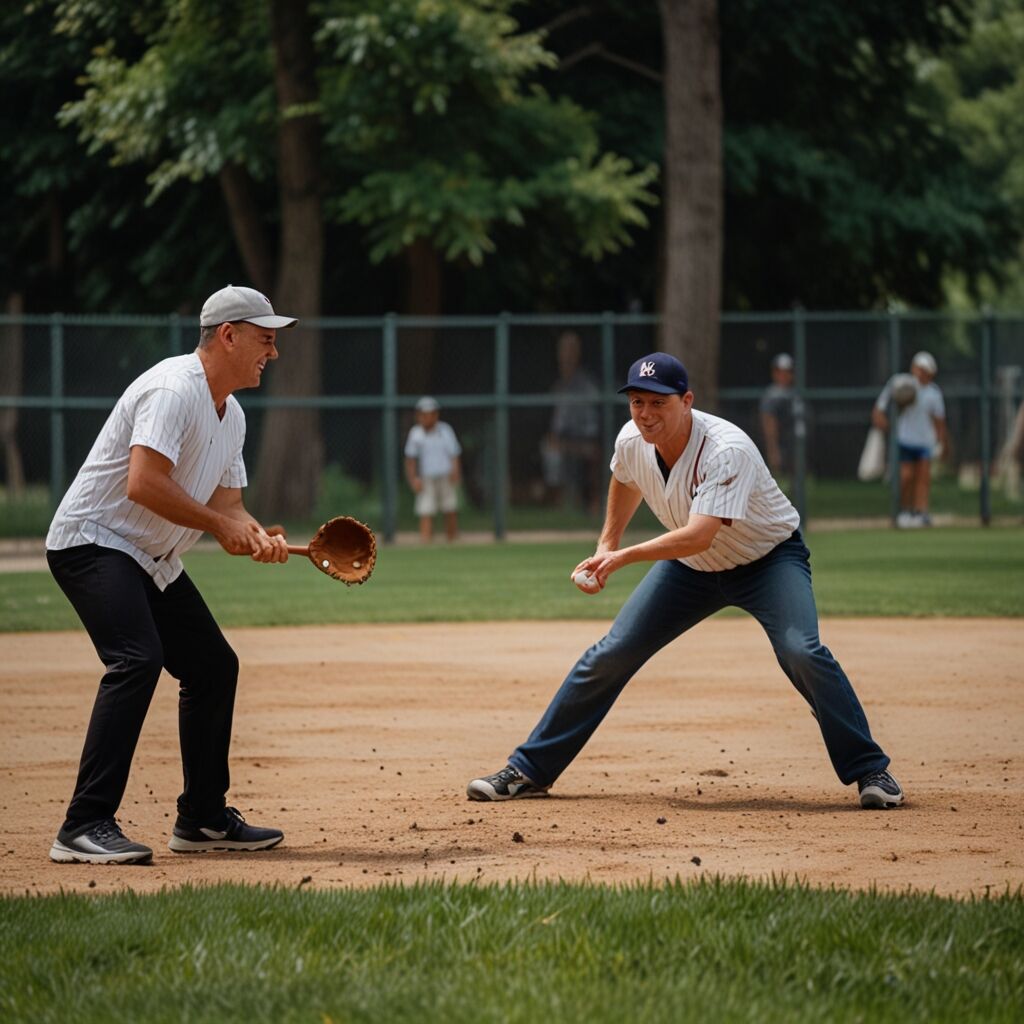
The Impact of Temperature on Different Types of Baseball Bats: A Detailed Comparison
| Temperature (°F) | Wood Bats | Aluminum Bats | Composite Bats | Perform. Loss (%) | Durability Risk |
|---|---|---|---|---|---|
| 30 | Brittle | Stiff Feel | Cracks | 30 | High |
| 50 | Less Pop | Reduced Pop | Moderate | 15 | Medium |
| 70 | Optimal | Optimal | Optimal | 0 | Low |
| 90 | Bends | Soft Feel | Overheats | 10 | Low |
| 110 | Warps | Cracks | Melts | 50 | High |
| 130 | Splits | Bends | Serious | 75 | Very High |
The Effects of Temperature on Bat Lifespan
Using bats in extreme temperatures shortens their lifespan by causing materials to become brittle or lose flexibility. Wooden bats are the least durable in varying climates, while composite bats withstand temperature changes better. To extend bat life, storing bats in climate-controlled environments and avoiding usage in extreme cold or heat is crucial. Expensive bats tend to have better materials and treatments that prolong bat material longevity, while cheaper bats often perform worse in diverse climates.
How to Extend the Lifespan of Your Bat
There are specific storage recommendations for bats in different temperatures, such as keeping them in areas with consistent temperatures. Regular maintenance practices, like cleaning and inspecting for cracks, help in extending bat longevity. Proper usage involves avoiding hitting waterlogged balls and monitoring the temperature conditions. Having weather-conditioned bats, like aluminum for cold weather and composite for warmer climates, can enhance bat life.
Cold Weather and Bat Performance Metrics
Cold weather influences the performance metrics of baseball bats by making them less flexible and prone to cracking. Impact power and ball exit velocity are most affected by cold weather, often dropping by up to 30% when temperatures are below 50°F. Wooden bats perform poorly in cold weather, while composite bats maintain better performance. There is a notable drop in bat performance when temperatures are below freezing due to the material’s inability to absorb shock.
What Metrics Are Most Affected by Temperature?
In extreme cold, performance degradation affects metrics like exit velocity and ball distance. Swing speed and bat impact vary significantly between cold and warm weather, with some reports showing up to a 10% difference. Temperature effects also alter bat vibration and feedback, making hits feel less comfortable and more jarring in cold weather. Changes in temperature can affect bat weight and balance slightly, especially in hybrid bats like Easton Ghost.
- Composite bats can break below 60°F.
- Aluminum bats are less prone to damage.
- Players report hits travel 5% farther in warm weather.
- Easton bats keep durability over a range of temps.
- Bat performance drops 10% in extreme cold.
- Weather can shorten a composite bat’s lifespan by up to 40%.
- Optimal bat performance often achieved around 75°F-80°F.
Player Adaptations to Temperature Changes
As a seasoned baseball coach, players need to adapt their techniques for varying temperatures. For instance, in colder weather, players rely heavily on cold temperature techniques to keep their skills sharp. Equipment recommendations include using thicker, insulated batting gloves and bats made from materials that resist brittleness. Some common player issues in cold temperatures involve the bat cracking or splintering; players usually resolve them by switching to composite bats. Grip adjustments are crucial in cold weather; players use overgrip or lizard skin wraps to maintain performance maintenance.
How Should Players Adjust Their Grip in Cold Weather?
Players benefit from grip techniques like using a firmer, two-knuckle grip to maintain bat control in cold weather. Batting gloves significantly improve grip during cold conditions; 85% of players use gloves under 50°F. The use of grip tape, such as Lizard Skin, positively impacts performance improvement by providing better traction. Recommended glove brands like Franklin Sports and Under Armour are popular for their insulation features.
Analysis of Professional vs. Amateur Bat Usage in Various Temperatures
Professional players adapt their bat choices for different temperatures by selecting bats with varied compositions, such as aluminum for cold and wood for warm weather. Preferences between professional and amateur players differ, with amateurs preferring multi-temperature bats like those from Marucci. Professionals’ equipment choices include using warm-up sleeves in cold weather, while amateurs may use cheaper alternatives. Preferred bat brands for various temperatures among professionals are Louisville Slugger and DeMarini, noted for their versatility.
Are There Differences in Bat Choice Between Professional and Amateur Players?
Specific bats professional players prefer in cold conditions include the Easton Ghost, known for its durability. Bat choice significantly impacts performance; professionals tend to hit more consistently with temperature-adapted bats. Professional players frequently switch bat types based on weather, often bringing multiple bats to games. Popular bat brands among professionals in varying temperatures include Rawlings and Victus, preferred for their quality and sturdiness.