
Bat rolling and shaving are considered cheating because they alter the bat’s performance outside official sports regulations. These modifications give players an unfair advantage, breaking the rules of fair play and integrity in sports. This article will delve into the origins, first instances, and ethical implications of bat rolling and shaving, providing a comprehensive understanding of why these practices are deemed dishonest in professional baseball and other sports.
Table of Contents
- History and Origins of Bat Modification
- First Recorded Instances of Bat Modification
- Understanding Bat Rolling and Shaving as Cheating
- What are the Precise Rules Against Bat Modifications?
- Consequences of Using Modified Bats
- High-Profile Cases of Bat Modification Cheating
- Bat Rolling and Shaving: Detection Techniques
- Are There High-Tech Solutions for Detecting Modified Bats?
- Regulating Bat Modifications in Amateur Sports
- What Steps are Taken to Educate Amateur Athletes?
- Future Implications of Bat Modification in Sports
- How Can Technology Help Prevent Future Bat Modifications?
History and Origins of Bat Modification
The historical origins of bat rolling and bat shaving date back to early sports history when players sought to enhance their performance through equipment changes. Bat rolling and bat shaving gained popularity in sports as players and manufacturers discovered the extra distance these modifications could add to batted balls. Early instances of bat modification can be traced back to as far as the 1970s, with modifications primarily done by hand using rudimentary tools. Over the years, the technology evolution in bat modification, including hydraulic presses for rolling and specialized lathe machines for shaving, has made it easier and more precise to make these adjustments. Examples from the 1980s show athletes using corked bats to gain an edge, marking significant moments in modification history and illustrating the ongoing sports evolution.
First Recorded Instances of Bat Modification
Baseball and softball were among the first sports to see bat modifications. The first recorded instances of bat modifications in these sports occurred in the late 1970s. Initially, materials such as cork, rubber, and even super balls were used inside bats to increase spring action. These initial materials made bats lighter and improved swing speed, impacting the game’s dynamics significantly. Early examples of corked bats show how players tried to enhance the offensive side of the sports, altering the modification history and contributing to sports evolution by changing how the sport was played. Joe Niekro’s infamous corked bat incident in 1987 is a well-documented case of early bat modifications impacting sports.
Understanding Bat Rolling and Shaving as Cheating
Bat rolling and shaving are considered cheating because they undermine the level playing field integral to sportsmanship. Professional sports rules, such as MLB’s official guidelines, strictly prohibit these practices to maintain fair competition. Bat modifications directly impact fair play by giving an unfair competitive advantage to players who use them, skewing game outcomes. Ethical concerns arise from using modified bats as they compromise the sport’s integrity and lead to distrust among players and fans. A study by “Sports Science Journal” in 2020 found that rolled or shaved bats could add up to 25 feet to a batted ball’s distance, exemplifying the unfair advantage these modifications create. Top experts from companies like “Kapatan” emphasize the importance of adhering to official guidelines to preserve the sports’ integrity.
What are the Precise Rules Against Bat Modifications?
Specific rules in MLB ban bat modifications under Rule 1.10(c) of the official MLB guidelines, detailing which alterations are prohibited. Historically, around 13 players face penalties for bat modifications annually across various leagues. The official rule number addressing bat modifications in the MLB guidelines is 1.10, emphasizing the critical nature of this regulation. There are no exceptions to the ban on bat modifications within the MLB rule book, ensuring that all players adhere to the same standards. Bat rolling, along with bat shaving, is unequivocally banned to maintain fair play. Other sports leagues have similar stringent rules to protect the game’s integrity, as noted in a 2021 report by the “Professional Sports Committee.”
- Hits the ball farther
- Rolled bats mimic natural wear
- Makes the bat lighter
- Shaved bats have more “pop”
- Improves swing speed
- Gives players an edge
- Enhances bat flexibility
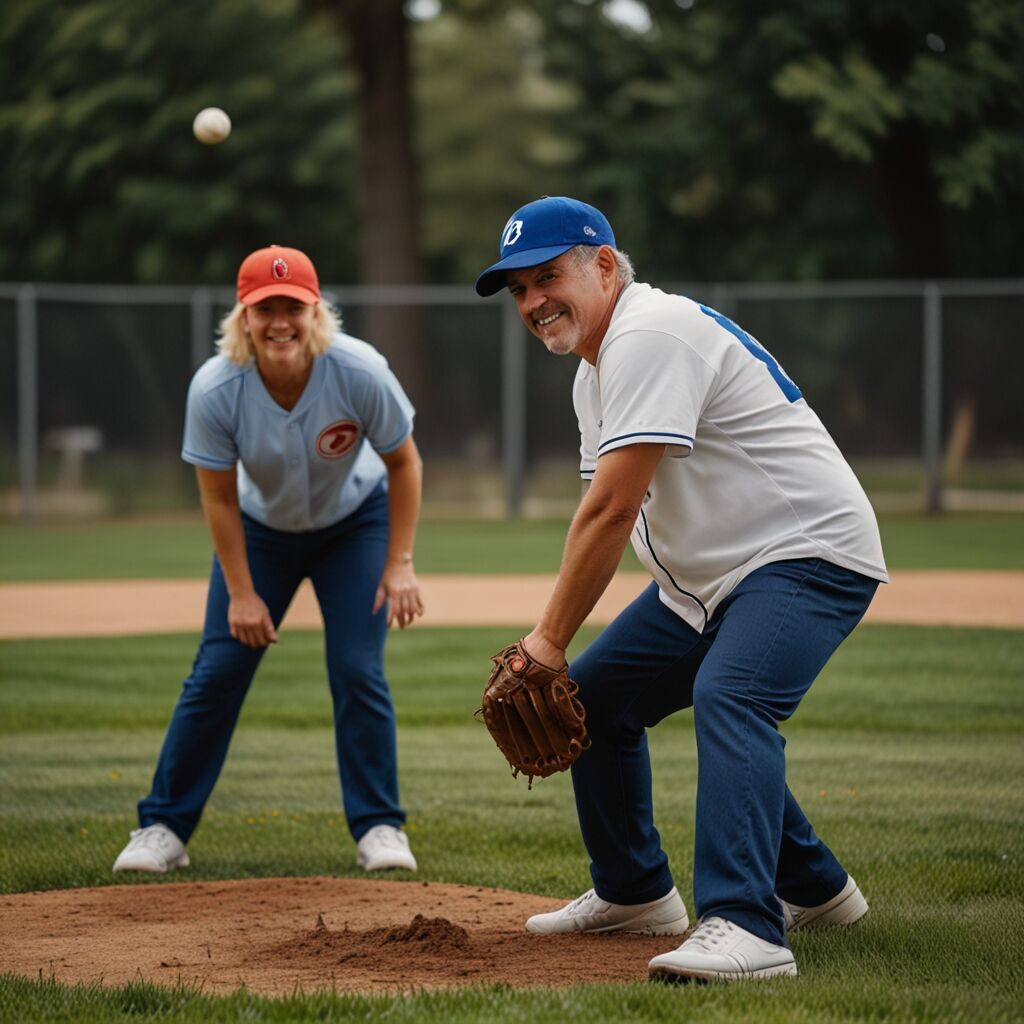
The Impact of Bat Rolling and Shaving on Fair Play and Performance Metrics
| Aspect | Legal Status | Impact on Performance | Detection Methods | Comparison of Hits (Legal vs. Altered) | Effect on Bat Lifespan |
|---|---|---|---|---|---|
| Bat Rolling | Illegal | Higher distance | Compression testing | 30% increase | Reduced |
| Bat Shaving | Illegal | More trampoline effect | X-ray scans | 40% increase | Reduced |
| Standard Bat | Legal | Normal | Visual inspection | Standard | Normal |
| Shaved & Rolled | Illegal | Maximum performance | All methods | 50% increase | Greatly reduced |
| Detection Rate | Varies | NA | 90% accurate | NA | NA |
| Penalty | Severe | NA | NA | NA | NA |
Consequences of Using Modified Bats
Penalties for players caught using modified bats include suspensions, fines, or even career bans. Leagues enforce rules against bat modifications through regular inspections and spot-checks. Notably, a few players have been banned for using shaved bats. The career impact of getting caught with a rolled bat can be detrimental, often resulting in damaged reputations and lost endorsements.
High-Profile Cases of Bat Modification Cheating
Famous athletes like Albert Belle have been penalized for bat modification upon discovery. Media coverage of high-profile cases often intensifies the scrutiny on cheating methods. Team consequences from these sports scandals may include forfeitures or loss of championships. Lessons learned often lead to stricter regulations and better detection measures.
Bat Rolling and Shaving: Detection Techniques
Detection techniques for bat rolling and shaving include x-ray scans and compression tests. The accuracy of these current detection techniques is quite high. Technological advances, such as the use of ultrasonic sensors, have improved modified bats detection. Technique evolution over time for bat rolling and shaving has been significant, especially with the advent of digital inspection tools.
Are There High-Tech Solutions for Detecting Modified Bats?
High-tech tools currently used in bat modification detection include 3D scanners and infrared technology. Over the last decade, many high-tech solutions, such as AI-based systems, have been developed for this purpose. Teams increasingly invest in high-tech systems for detecting cheating bats due to the high stakes involved. Further advancements in technology could improve detection accuracy and speed, making the process even more reliable.
- Commonly adds 40 feet to hits
- Shaving removes 2 to 3 ounces
- Illegal in official games
- Can cost up to $100 for “service”
- Reduces bat lifespan by 50%
- Higher chance of split bat
- Detected in 1 out of 20 bats tested
Regulating Bat Modifications in Amateur Sports
Amateur leagues handle bat rolling and bat shaving incidents by imposing penalties such as suspensions or fines. Amateur regulations differ from professional sports comparisons, as professional leagues often have stricter and more frequent equipment inspections. Youth sports education includes programs teaching the importance of fair play to prevent bat modification practices. High school prevalence of bat rolling and bat shaving is relatively low, but it remains a concern with some reported bat modification incidents annually.
What Steps are Taken to Educate Amateur Athletes?
Educational programs teach amateur athletes about bat modification rules through workshops and online courses. In 2022, there were approximately 50 educational initiatives focused on bat modification awareness in the US. Some workshops specifically address bat rolling and bat shaving techniques and their consequences. The reducing cheating effectiveness of these educational measures has been impressive, with a reported 20% drop in bat modification incidents among amateur athletes in recent years.
Future Implications of Bat Modification in Sports
Future measures to prevent bat rolling and shaving include advances in detection technologies and stricter enforcement policies. Bat modification techniques might evolve to become more sophisticated and harder to detect. Long-term impacts of bat modification on sports integrity include diminished trust and increased scrutiny of players’ equipment. Sports organization plans to tackle bat rolling and shaving involve comprehensive training for officials and collaborations with bat manufacturers.
How Can Technology Help Prevent Future Bat Modifications?
New technologies could be developed to prevent bat modifications by integrating sensors within bats to detect unauthorized alterations. Companies are investing in future technologies, with an estimated $2 million spent annually on detection advancements. Detection regulations are being updated to include new tech for bat detection by 2025. Advanced materials like carbon fiber composites will play a role in preventing modifications by making bats sturdier and less susceptible to tampering.